The next Nature Writing Workshop and Walk – foraging special! is coming up this Saturday on 26th October from 11am – 1.30pm. If you aren’t really into writing (yet) or don’t know what foraging involves, I went on a “rehearsal” walk with Kath Walsh, a local foraging and plant expert yesterday.
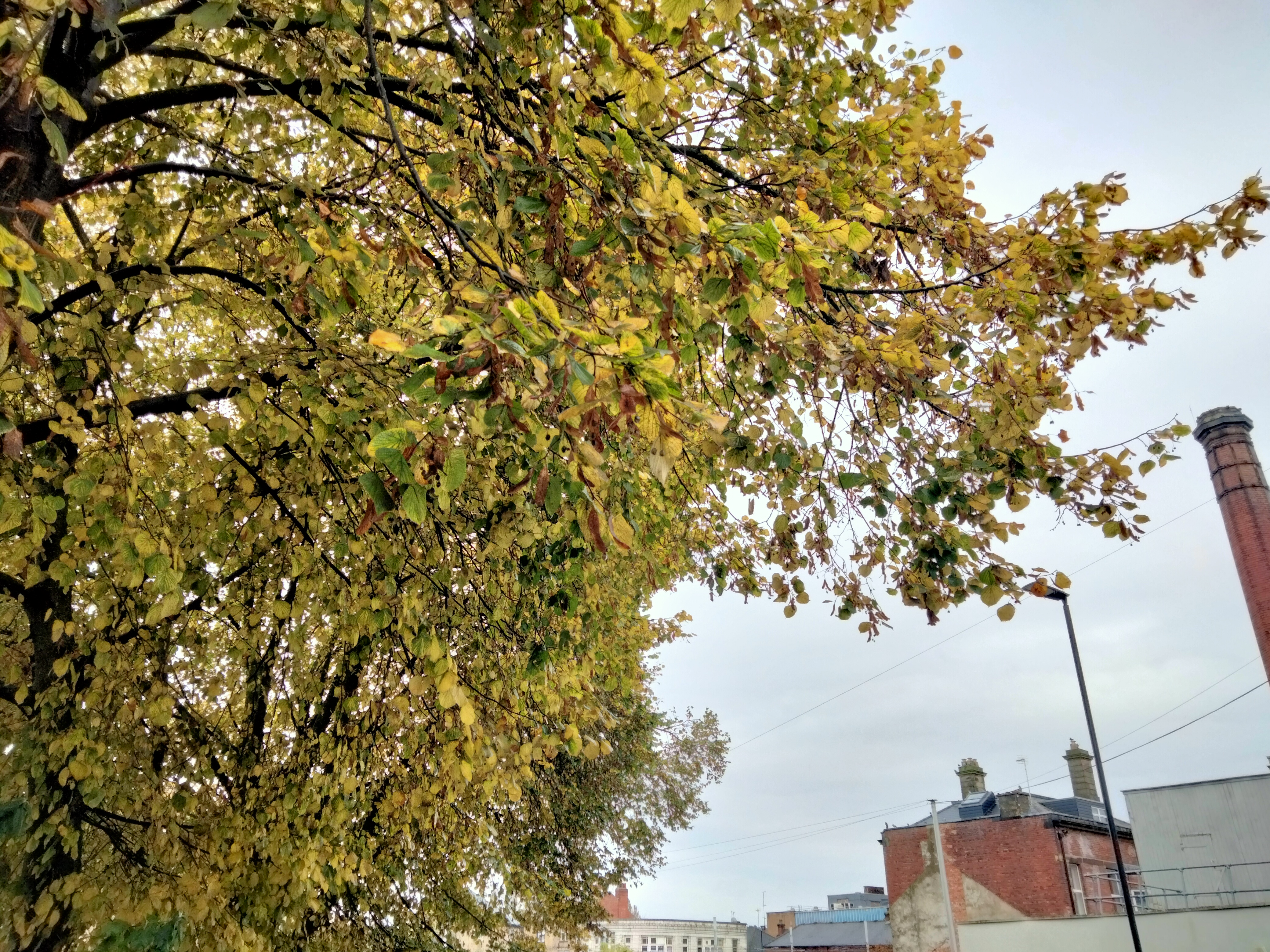
The sun came out as I met Kath under a row of lime trees (not the citrus kind) at the junction of Limbrick Road and Walkley Lane, which is where we’ll meet you this Saturday. The flowers of this tree can be used to make herbal tea! These trees are just uphill from the weir on the River Loxley, which is deliberately being kept in its damaged state after flood damage, because it helps fish to swim upstream.
Lime Trees on Walkley Lane
Walking along Limbrick Road, Kath points out a lonely crab apple tree with a dramatic story, and told me about the edible properties of garden plant fuchsia. Stories are everywhere and walking slowly and mindfully, we notice everything growing here, including a strange slime mould creeping across the pavement! Even though we are still on a city street, I already feel transported to somewhere more magical.
Before we walk up a steep bank (please wear wellies or walking boots on this walk), Kath points out an apple tree and talks about the folklore and medicinal benefits of this fruit, which we often take for granted.
Kath shows me an apple tree
Before we’ve reach the flat space at the top of the nature reserve, we’ve talked about a dozen stories – from the tragedy of ash dieback that’s already decimating our woodlands, to the threat of the invasive Japanese knotweed. Nature always reflects human stories – from climate change to this thriving nature reserve on a formerly industrial site, which some say was also a local dump.
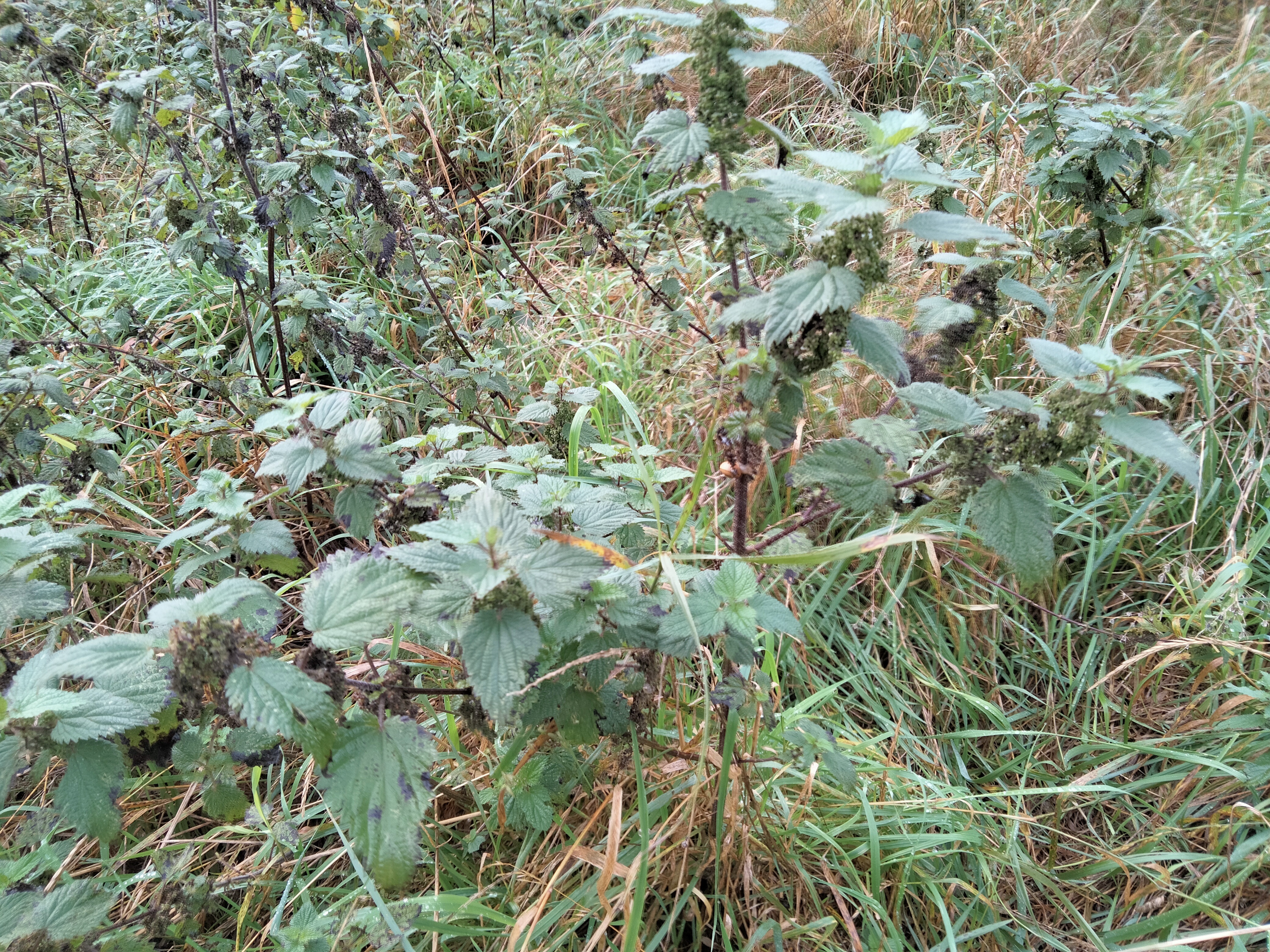
But you’d never guess that now – there are so many trees, shrubs and plants of all kinds here. We spotted a jay, busy collecting acorns for the winter and the air was full of birdsong. Many of the native plants here have magical or medicinal uses, or are poisonous, such as an edible fruit with a deadly stone. Even the humble nettle has health-boosting properties. There are plenty of fascinating facts and legends to please fans of witches and wisdom, as well as spooky facts to impress your friends.
This Saturday, Kath will be bringing along samples of plants she’s harvested, and you’ll be in safe hands as you try out some of the edible things in nature.
We will take some time to write and reflect, and we’ll take turns to read out what we’ve written, but only if you want to. You can do any kind of writing you want – one idea might be to write down everything you can see, hear, feel, smell, and taste, or you might have been captivated by a story about a plant.
At the end of our walk, we’ll call into a nearby pub for a final writing session and we’ll talk about the things that we’ve experienced on our journey! Hopefully you’ll have achieved the aims of the workshop and walk – to have fun, connect with other people, learn about nature on your doorstep and do some nature-inspired writing. Just bring along your phone or a notebook and pen.
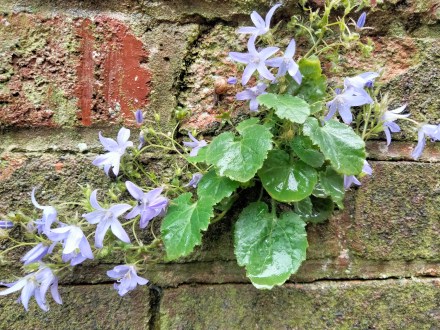
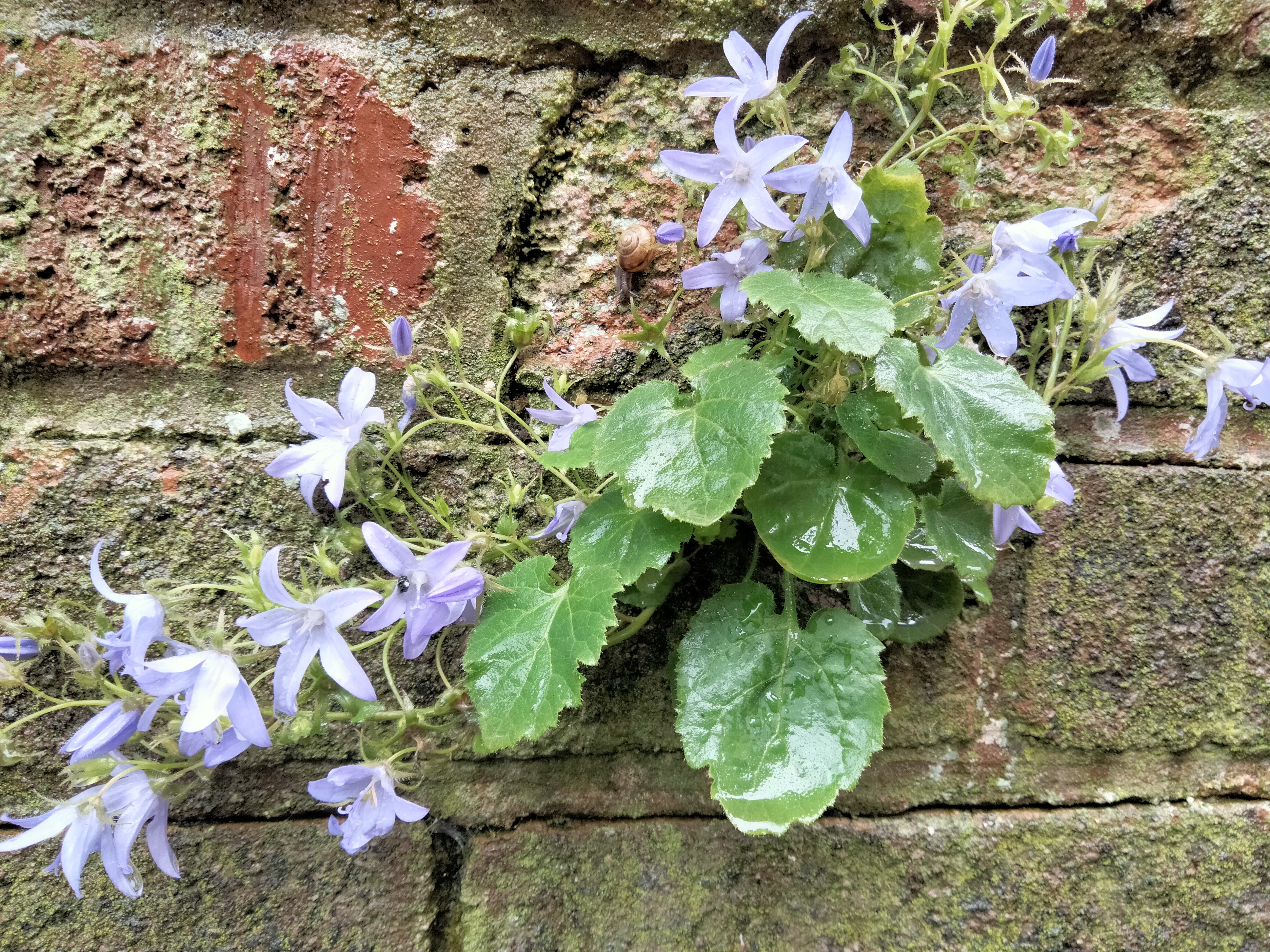
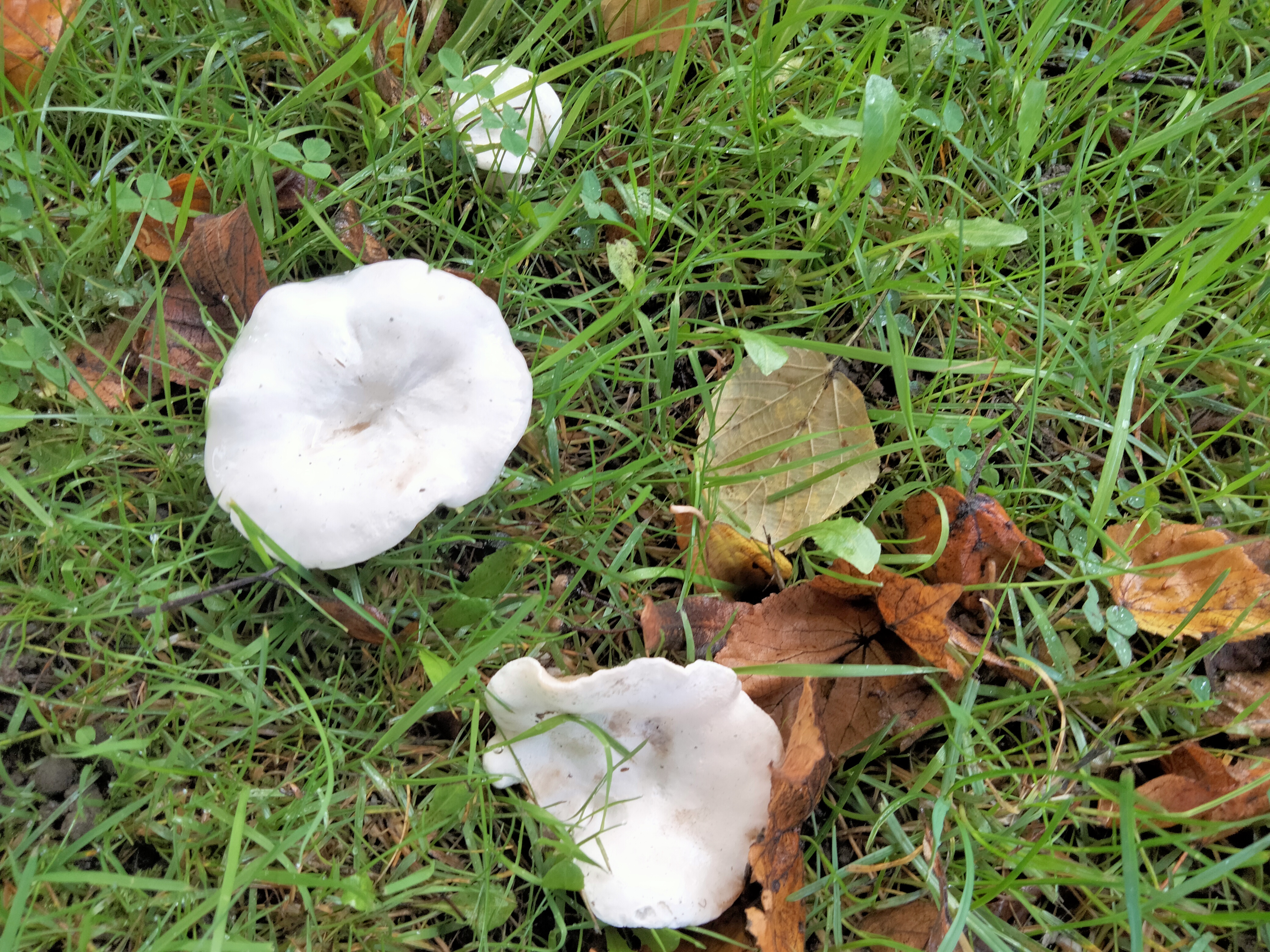
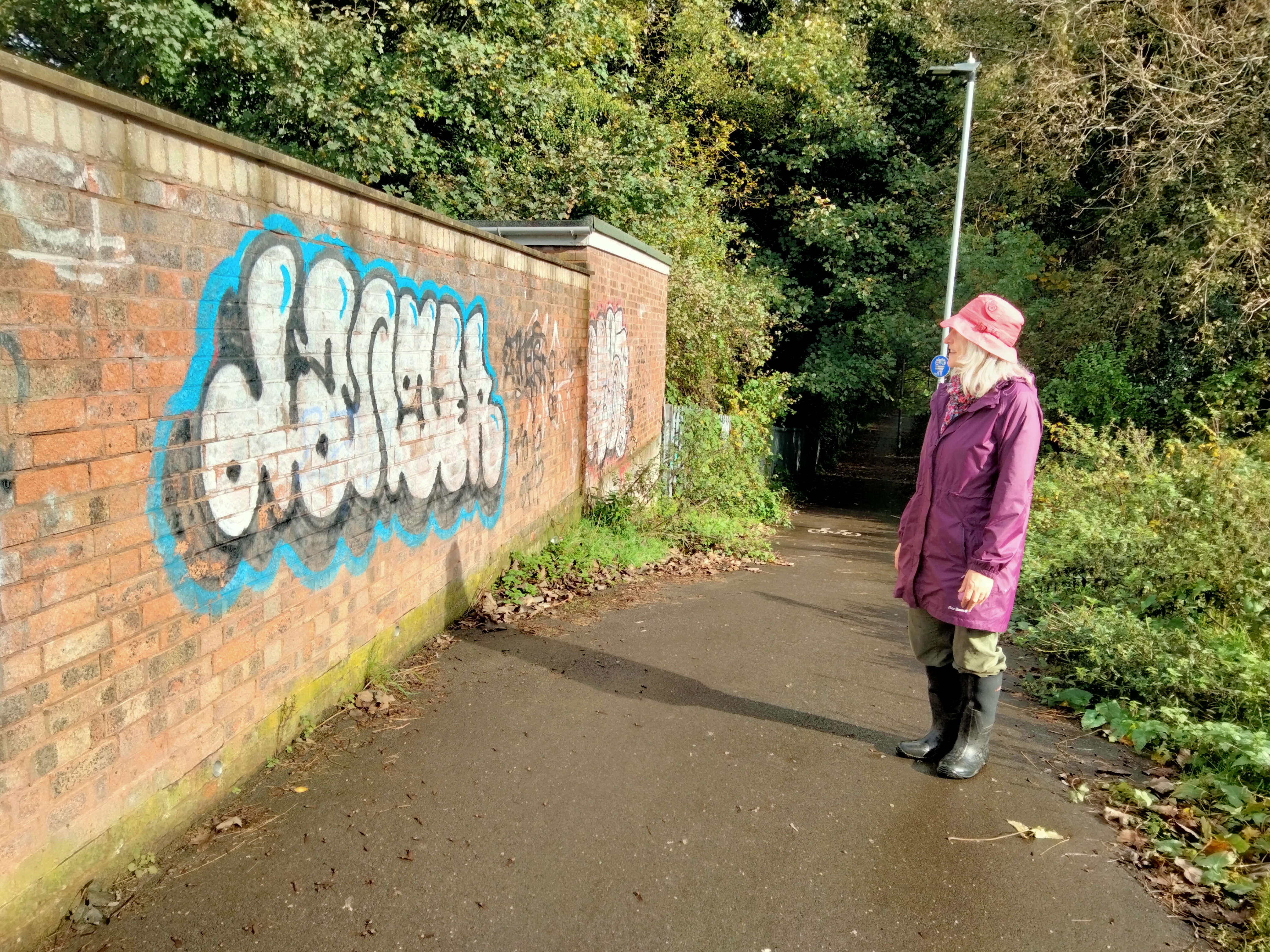
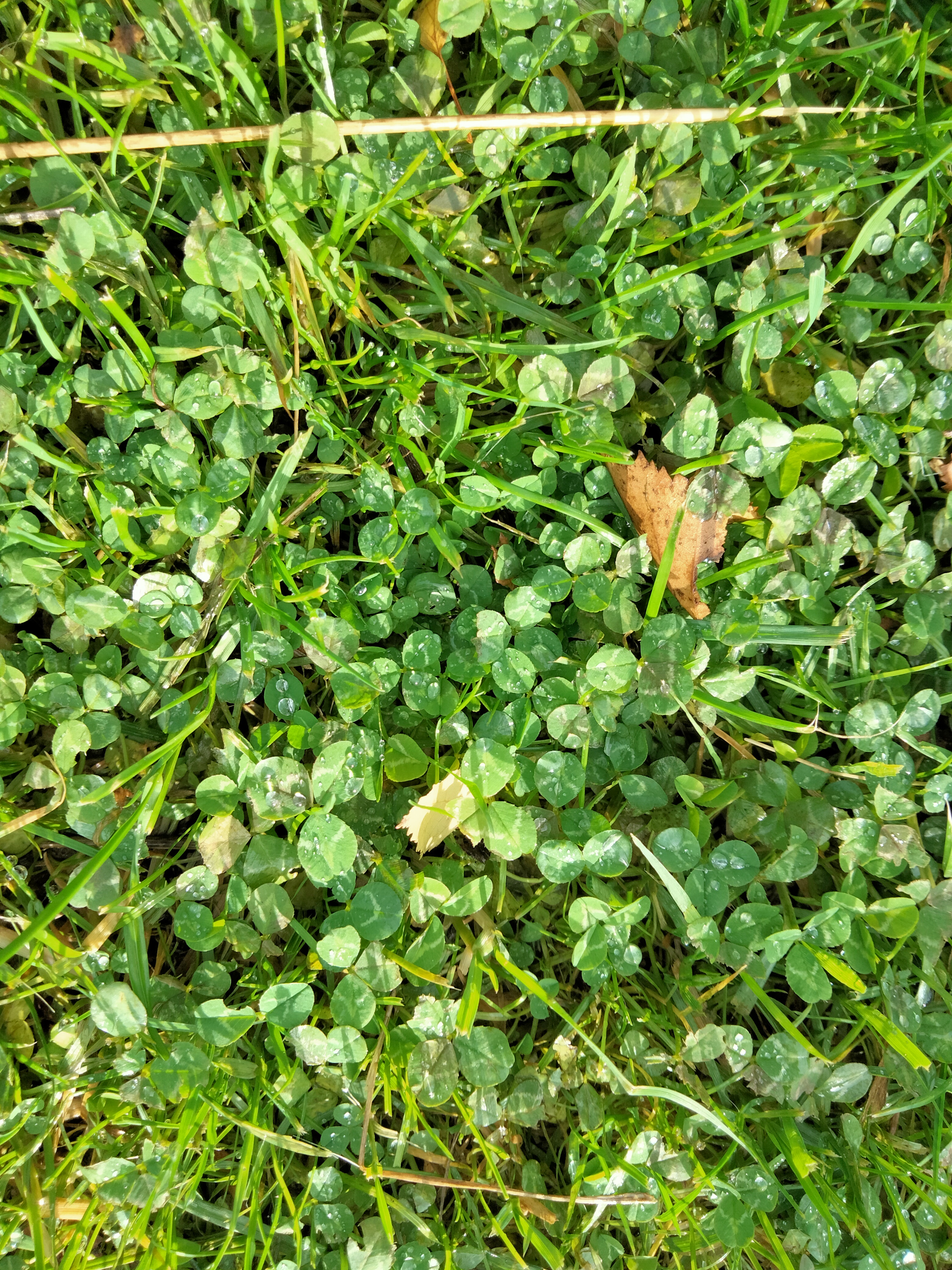
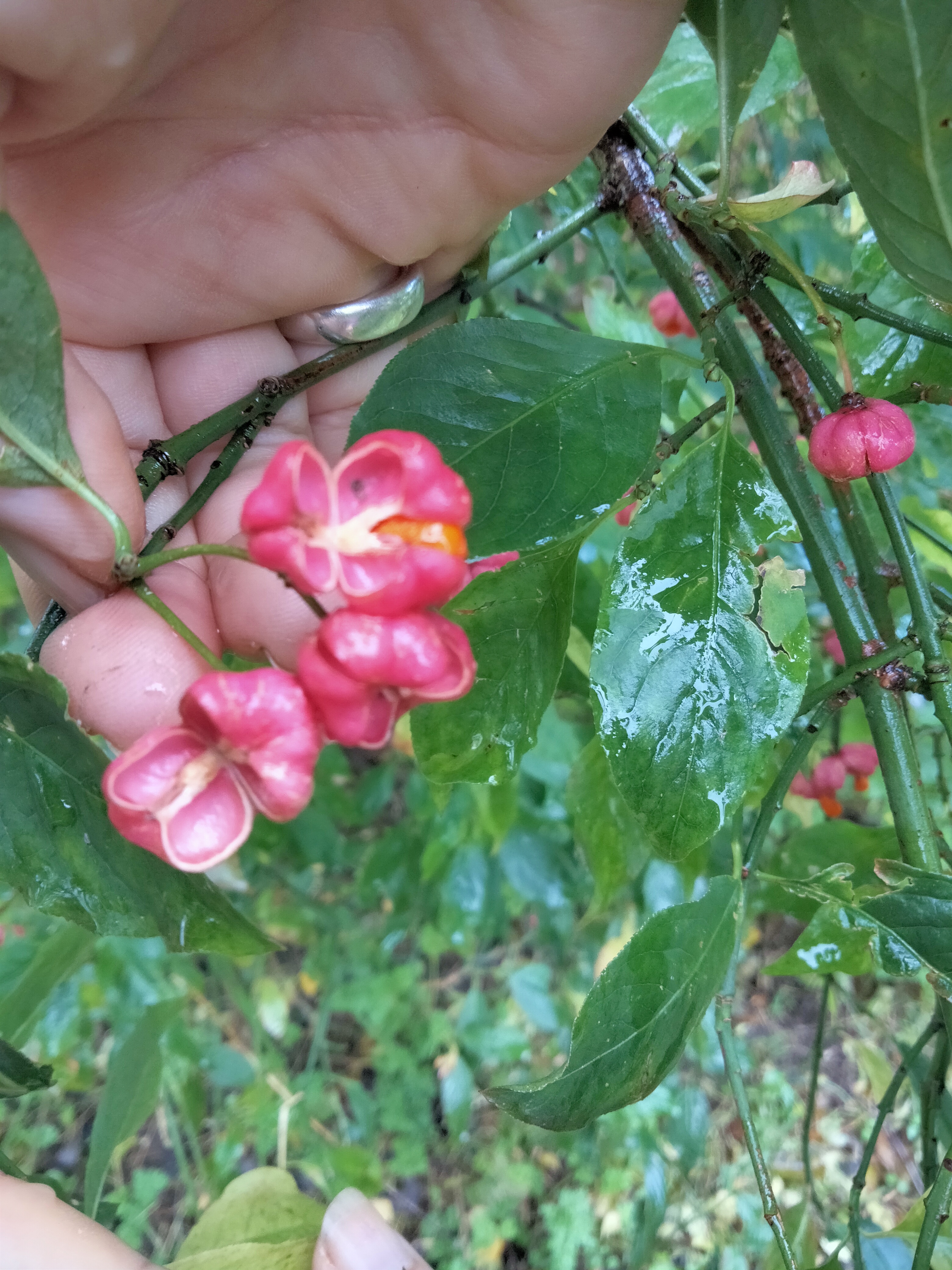
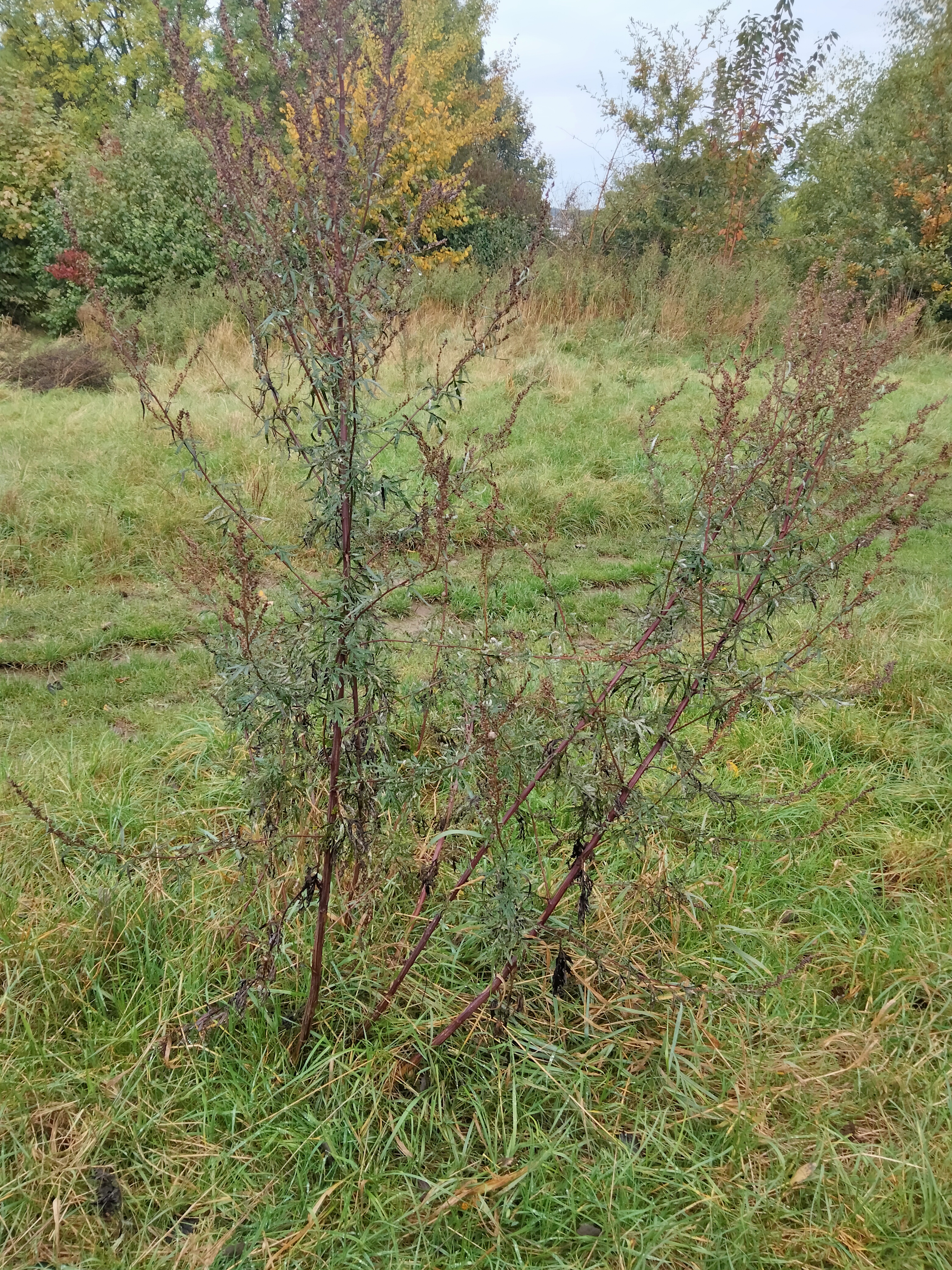
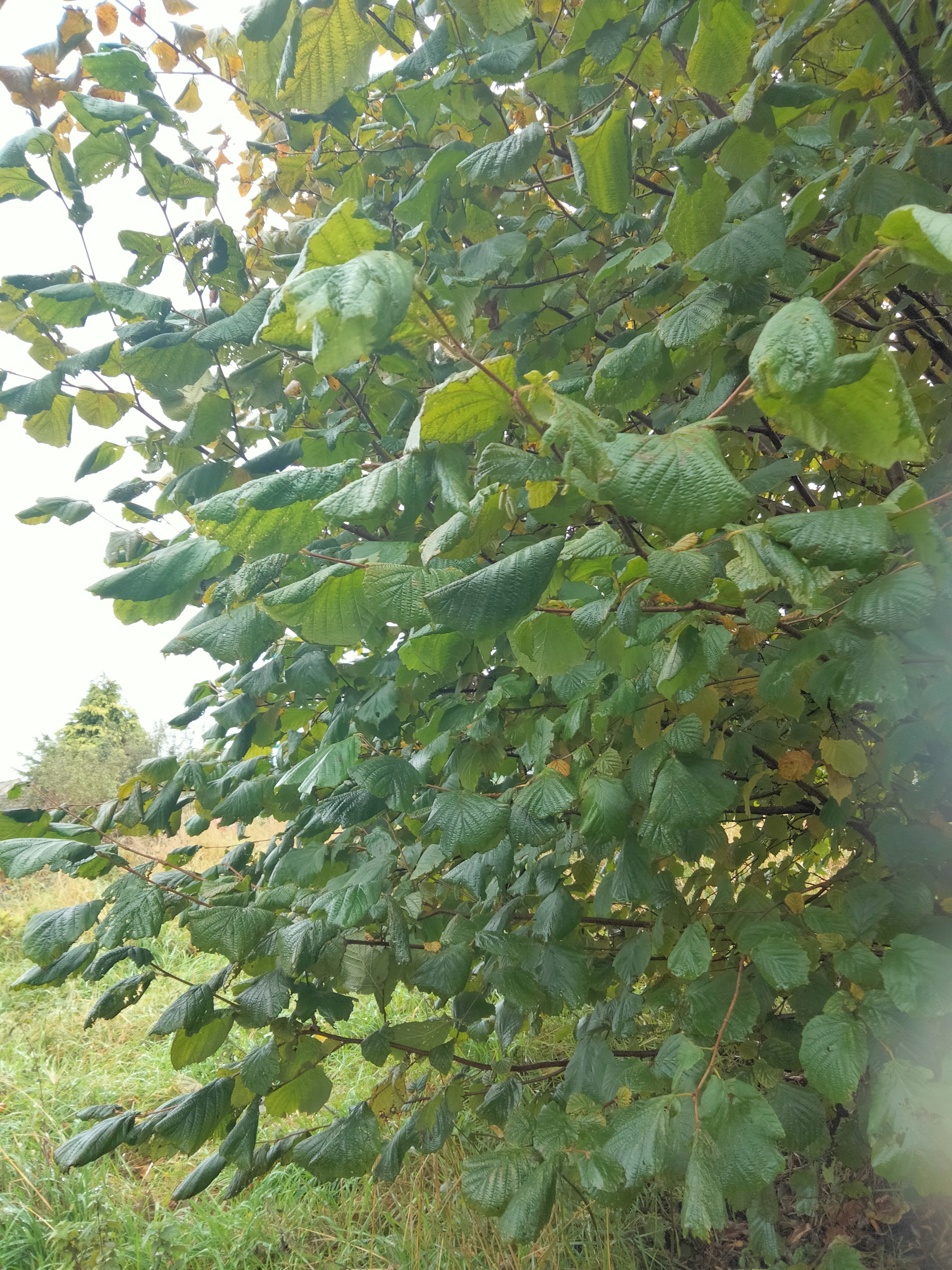
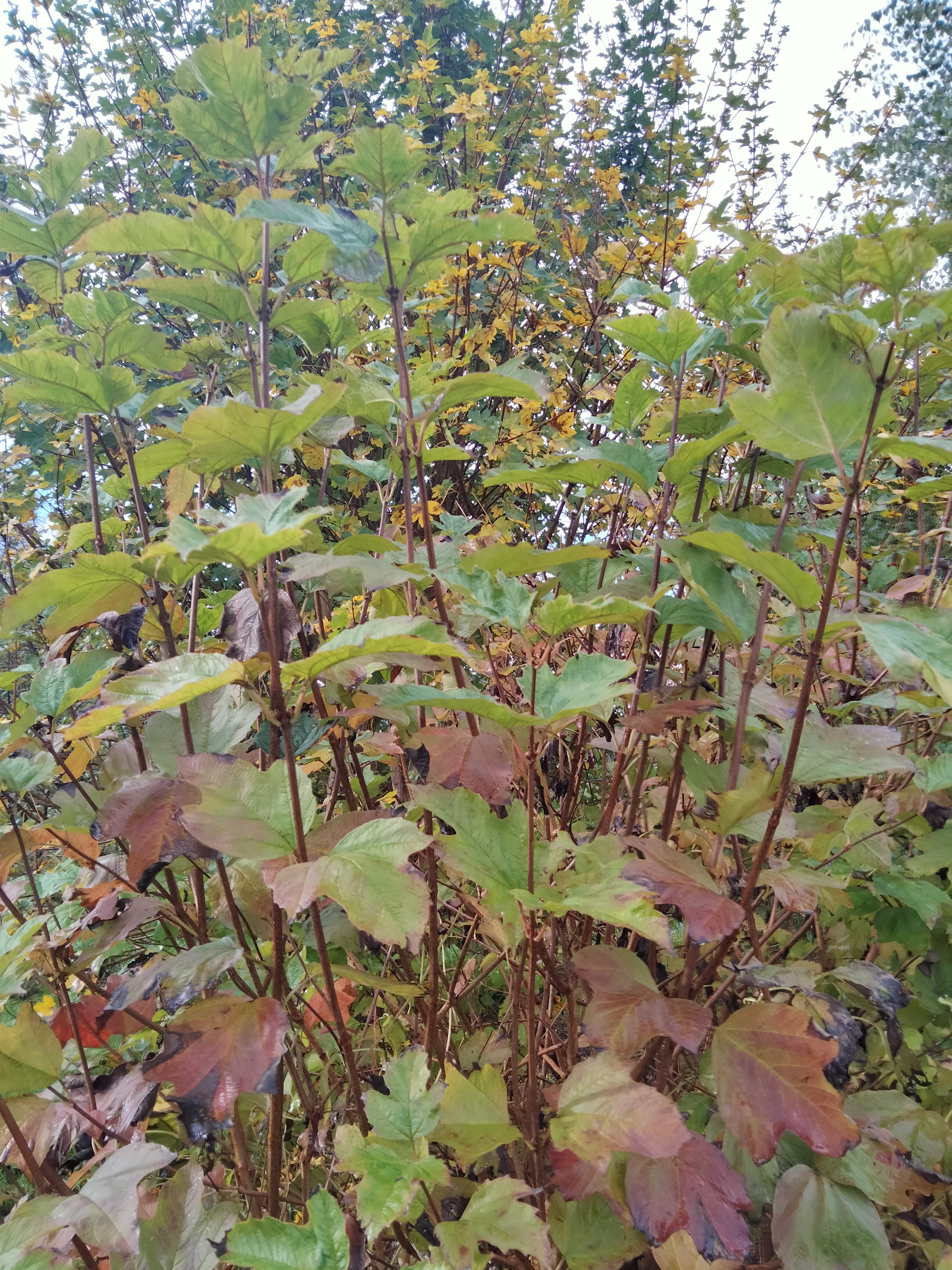
Wildflower growing out of a wallAutumnal fungiLocal graffitiCloverNettleSpindleMugwortHazelGuelder Rose
Not many people would expect to start a walk starting from Meadowhall Shopping Centre to take in spooky abandoned railway stations, ancient woodland and an Iron Age Hill Fort, but that’s exactly what I did on Sunday, in preparation for my next nature writing walk and workshop. Here’s the link to book your place. I hope that my blog post will intrigue and entice you to come along.
The walk starts at Meadowhall Interchange, and I found a good route that takes just over two hours of slow walking time. A lot of it is uphill, but it’s worth it for the view and Wincobank Hill is absolutely amazing. If you are joining me on Saturday, please bring a packed lunch, water bottle, a waterproof jacket and your phone / camera / notebook / sketchbook to capture the experience.
We’ll meet on the tram platform at Meadowhall Interchange at 10am on Saturday 8th June. You could come by tram, train, bus or you could park nearby in the Park and Ride car park.
We will then walk across the pedestrian bridge into the shopping centre. It’s always fun to be going somewhere different from most people, and rather than retail therapy under bright artificial light, we are heading for a complete immersion in nature, a few streets away from the urban East End of Sheffield.
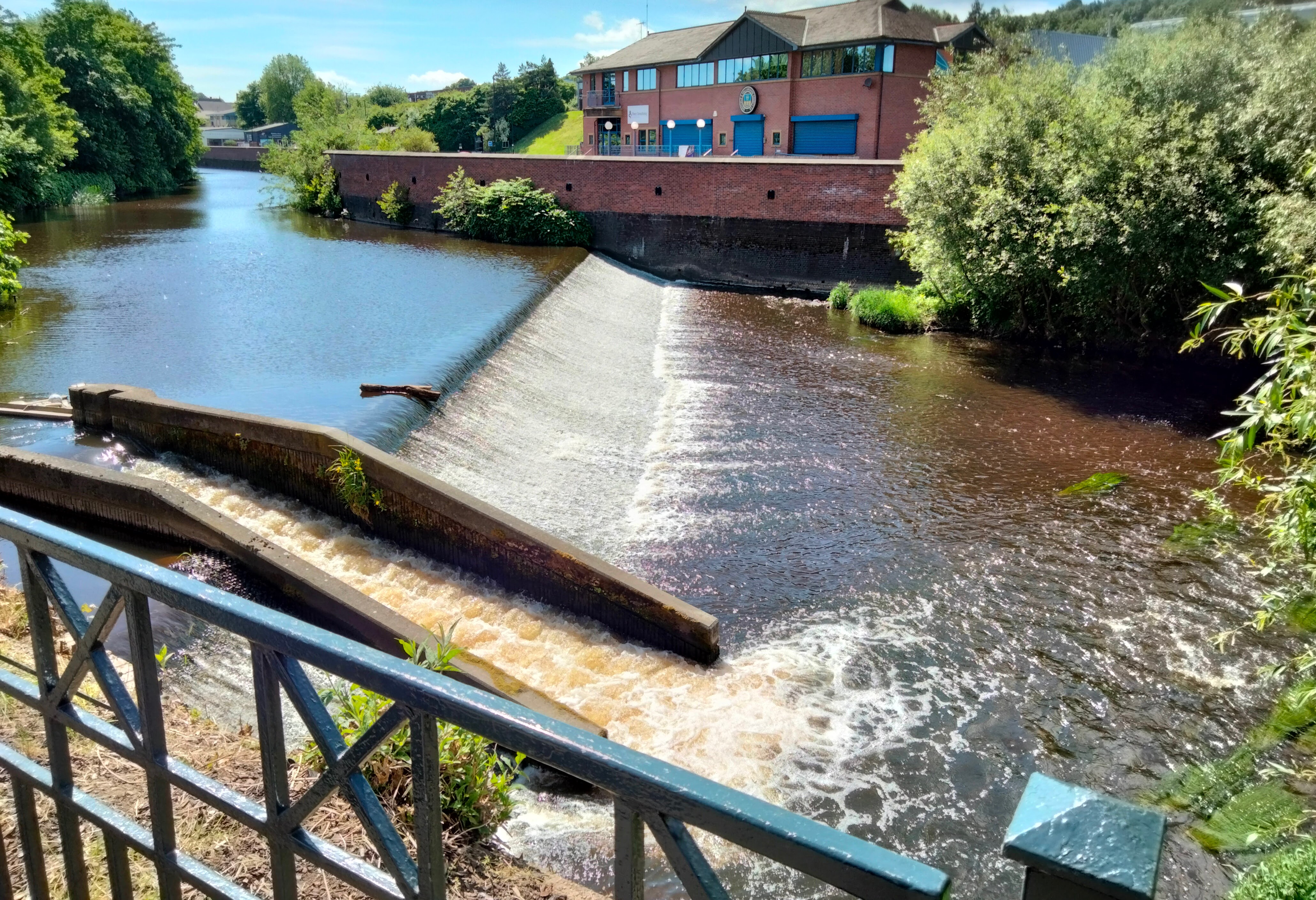
At first, the walk skirts the shopping centre alongside the river. This may seem like a detour, but it’s worth it for a few reasons. There’s a nature reserve running along the banks of the river and at the moment, it’s in full bloom. There are also interesting historical things to notice, including Hadfield’s Weir, dating from around 1600.
Hadfield’s Weir
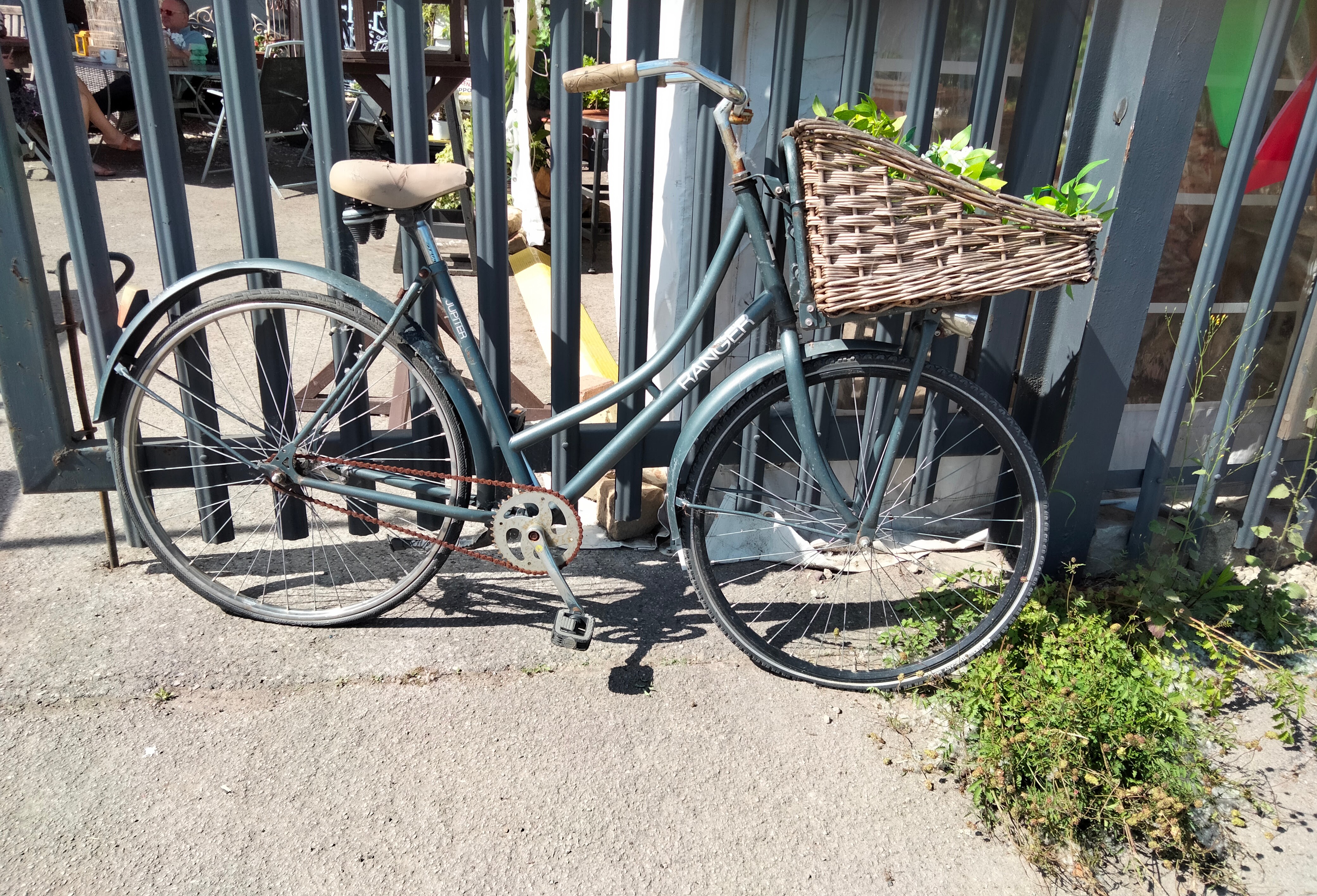
Turning a corner onto Weedon Street, another unexpected place appears – Rag’n’Bone Sheffield, an arty, bohemian cafe, in what used to be a monumental mason’s yard! https://www.facebook.com/RagnBoneSheffield/ It would be rude not to stop off here for a quick coffee/cake, look around and a quick writing session, but it’s so close to the start of our journey that it would be easy to get distracted, so we won’t linger too long, for fear of not reaching our destination.
Rag ‘n’ Bones Sheffield
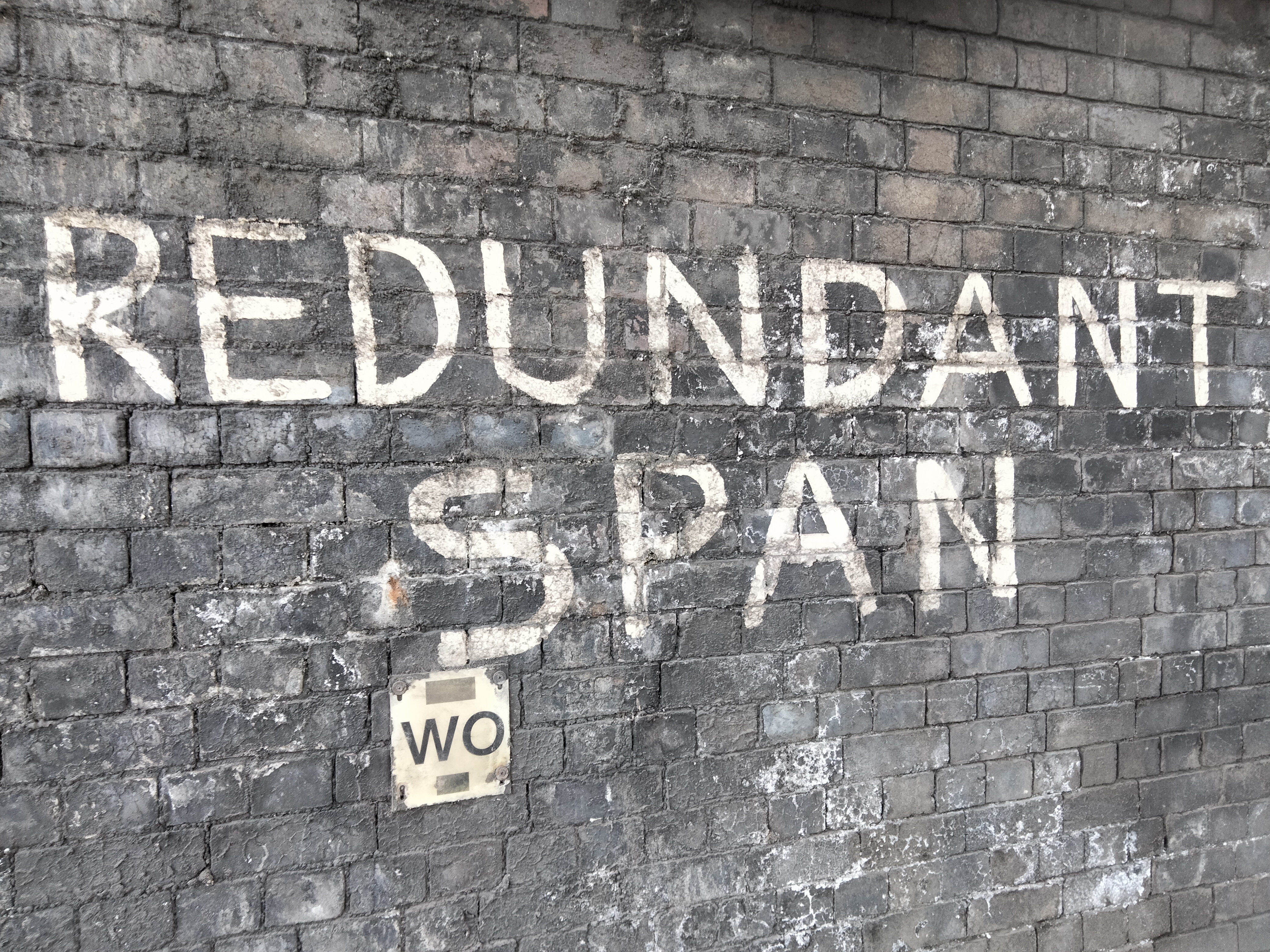
From here’s there’s a busy junction, familiar to anyone who’s ever driven to Meadowhall shopping centre, but even here are interesting historical details. The phrase “redundant span” written in official-looking paint on a bridge has led me to discover that the Brightside railway bridge we pass under is a disused bridge that goes nowhere these days. Colliery Road is blocked off to traffic and looks deserted and wooded, eventually disappearing into a spooky-looking tunnel under the railway. But we’ll carry on under the bridge towards the Crown Pub, turning left up Station Lane. It’s easy to imagine that this was once bustling with people travelling to and from work at the steelworks and foundries, but today it’s abandoned, apart from some flytipping.
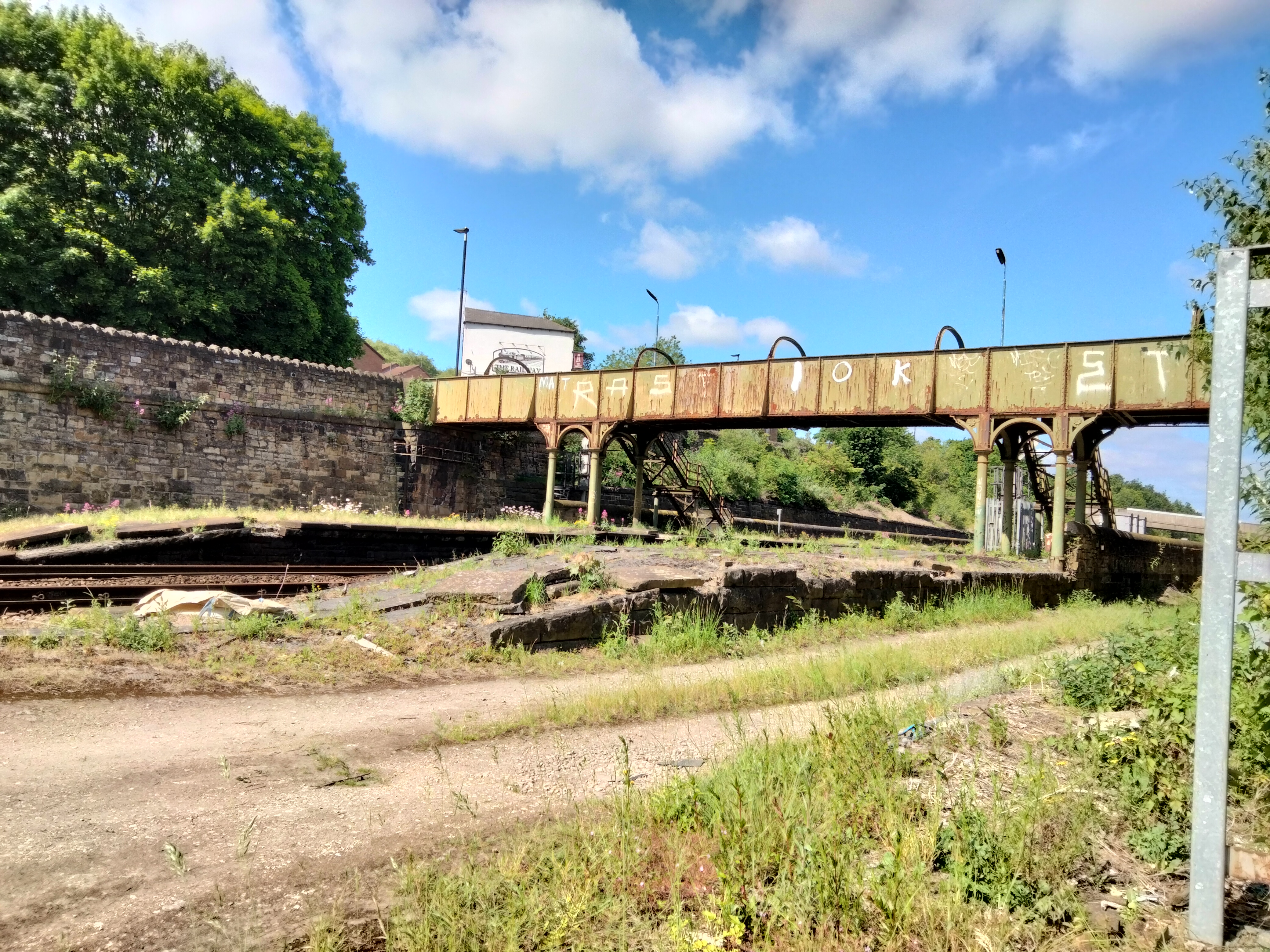
It’s obvious that this was once the approach to a fairly substantial railway station, one you’ll whizz through if you catch a train to Meadowhall Interchange, Rotherham or Leeds. The bridge over the railway lines is open, but the steps leading down to the old platforms at Brightside Station have been removed and blocked off, adding to the eerie atmosphere. The station has been closed since 1995.
The bridge to nowhereThe abandoned Brightside StationNo steps down
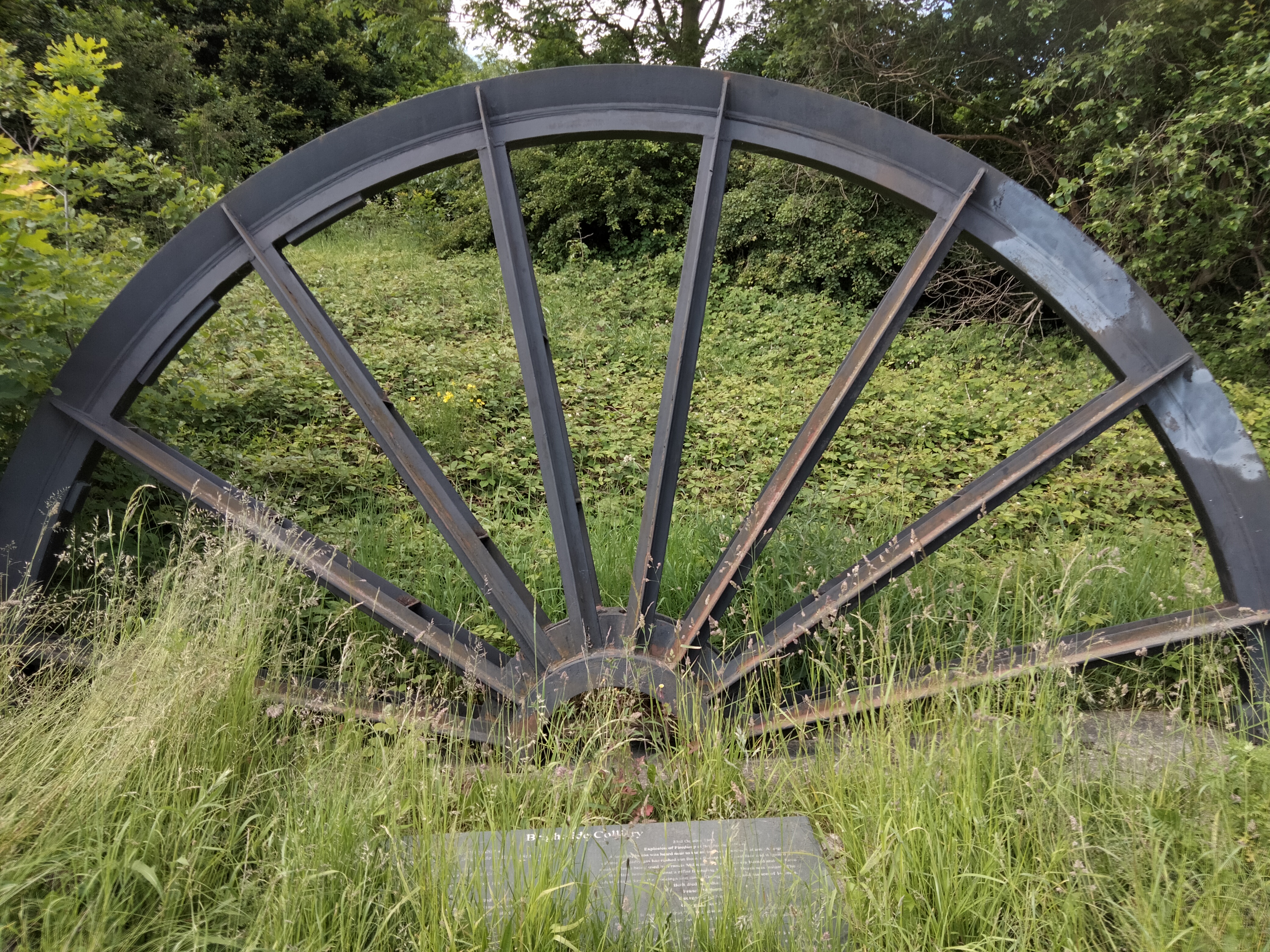
Across the road, the Railway Pub looks inviting, but we need to keep walking! Crossing the road and following the path at the side of Holywell Road, there’s a magnificent view of Sheffield Forgemasters steel works. The other side of the road is deeply wooded, with wild roses growing everywhere. It’s the perfect Sheffield contrast. After a couple of minutes, we’ll reach the Brightside Colliery Memorial, a tribute to the miners who died in accidents in the nearby mine that closed in the 19th century.
Brightside Colliery Memorial
From here, there’s a path that runs steeply up a wooded embankment, emerging into Beason Way Open Space, a lovely meadowy space, through some more woods, into another field and up a steep path, emerging around the back of some lock-up garages! From here, we take a turn into suburban Sheffield on Beacon Way and Wincobank Lane, and this is where our wild adventure really begins.
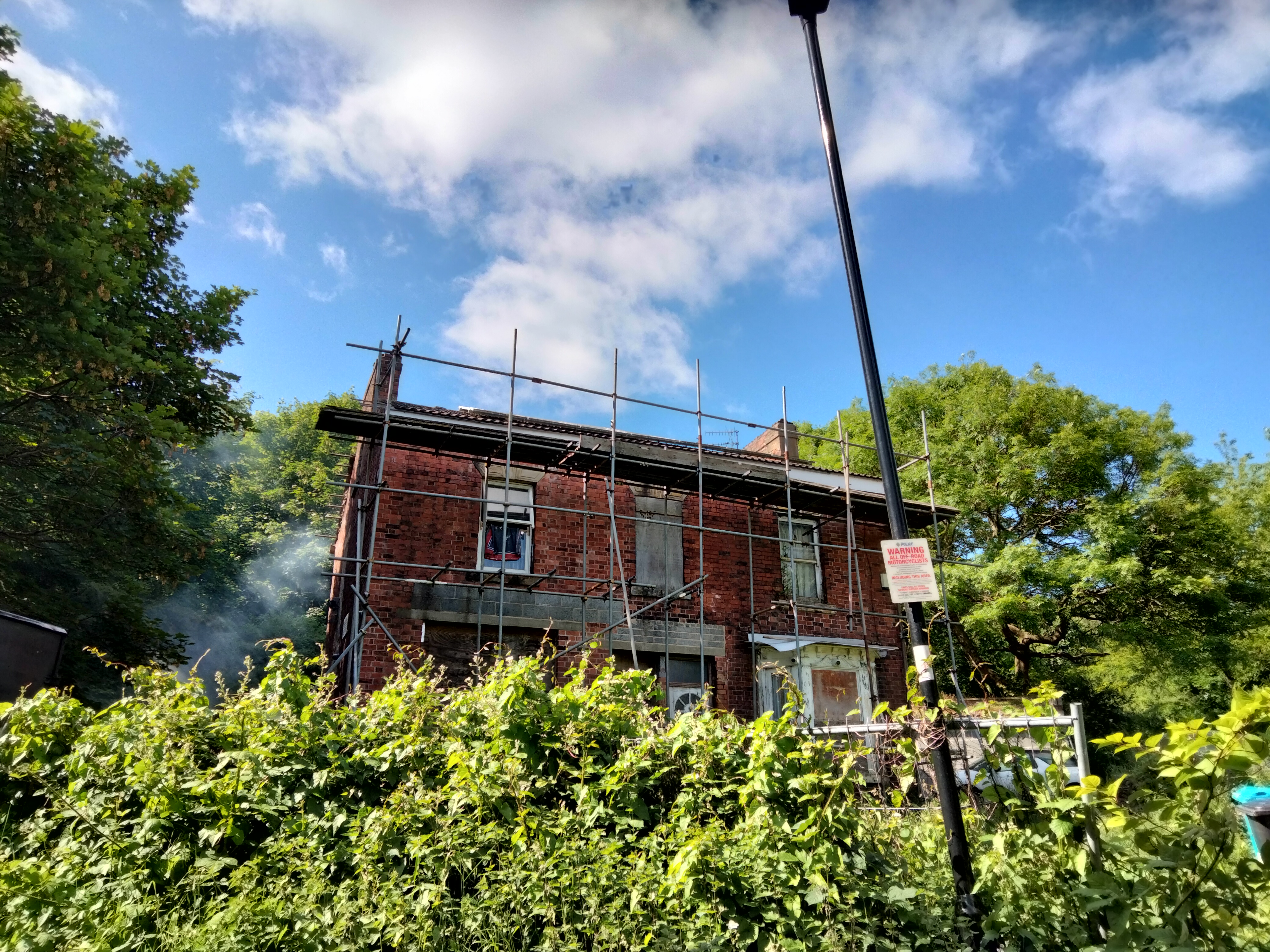
There’s a spooky old house that looks abandoned, apart from smoke rising from a brazier in the overgrown garden. Someone seems to be doing it up – but very slowly. When it’s finally restored back to its Victorian glory, it will be beautiful. On one side of the road is a cluster of Victorian terraced houses, on the other side, ancient forest, rising upwards in the only steep hill for miles.
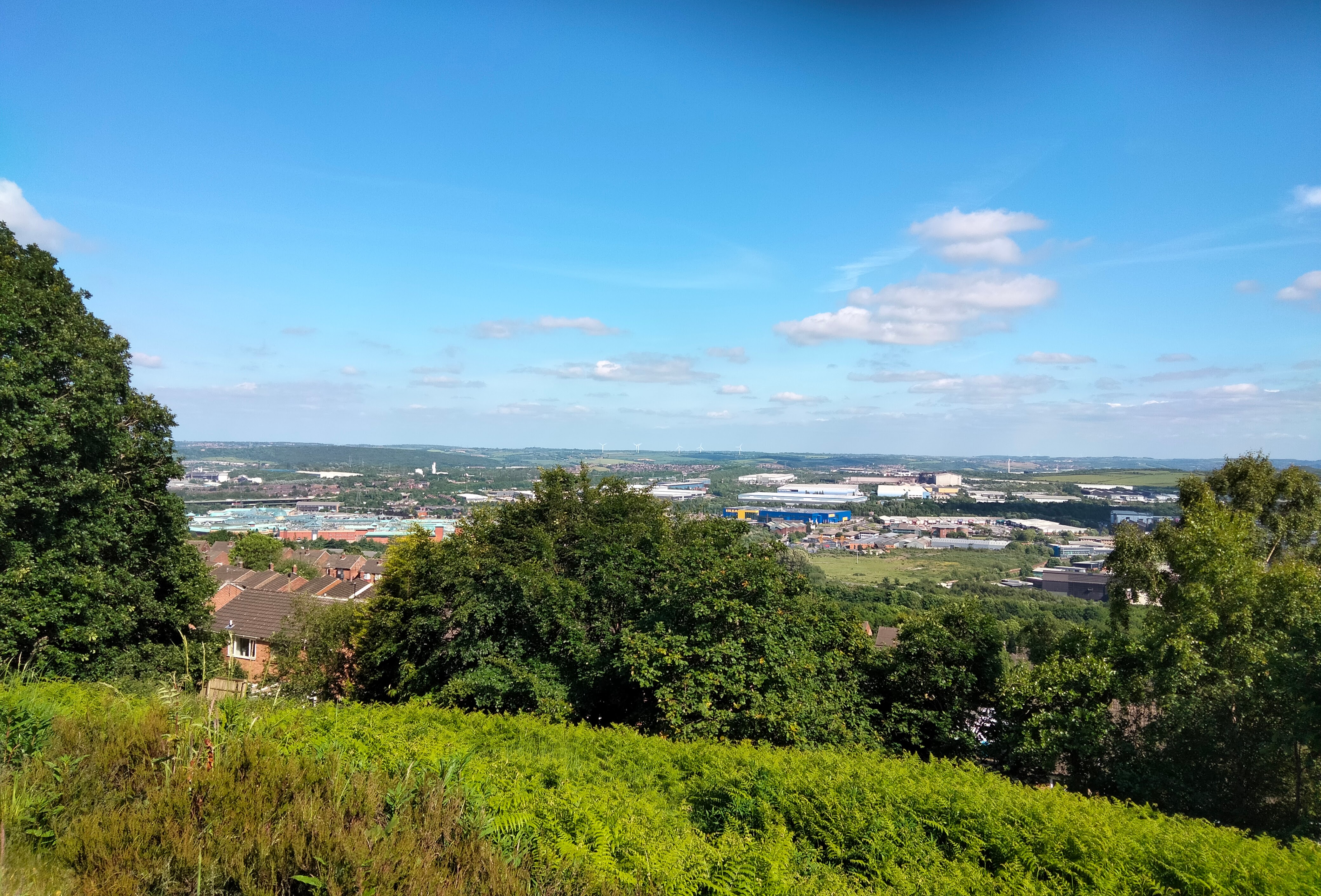
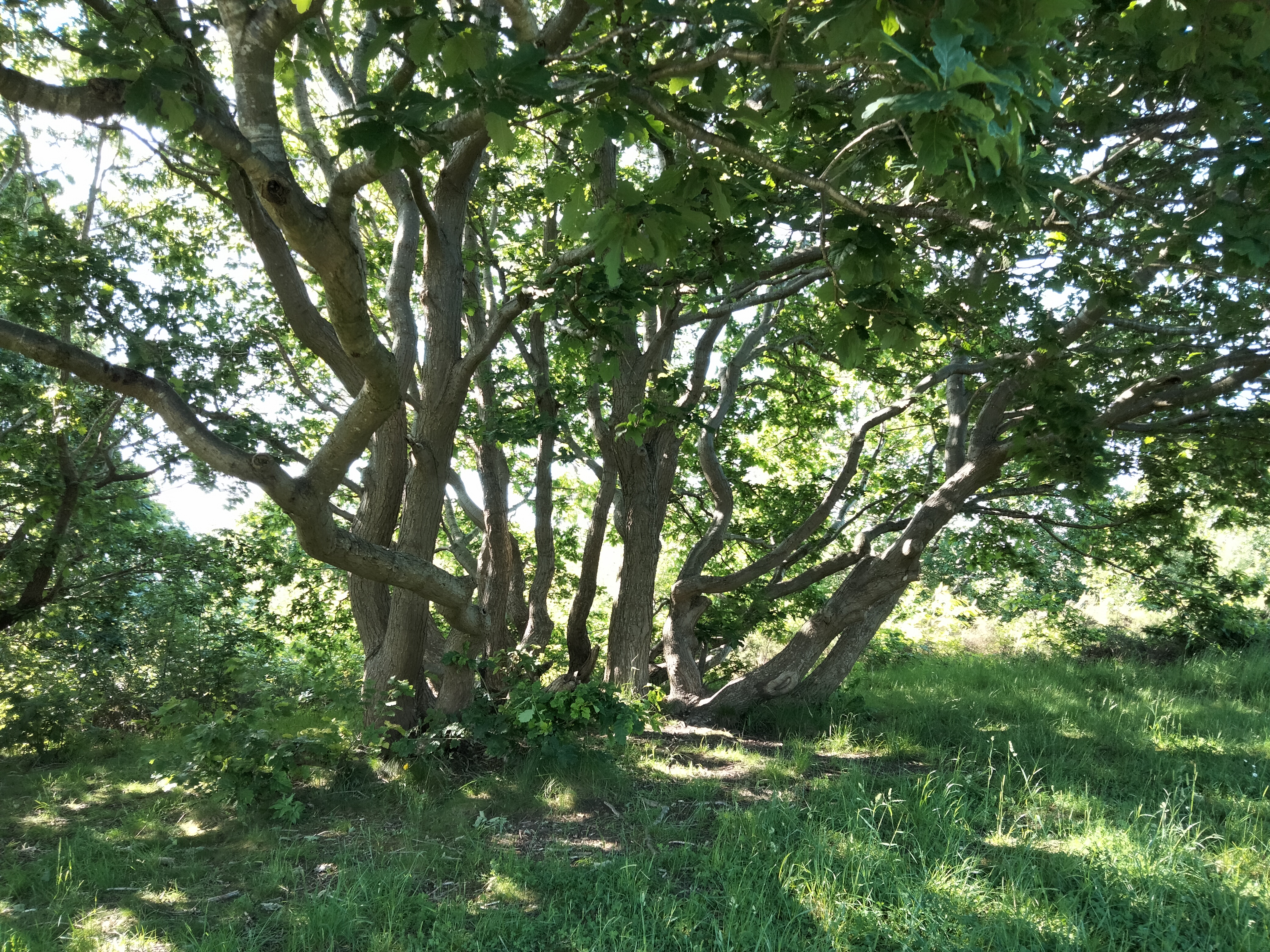
Slowly being restoredDog RoseThe view is worth it!The view over the south east of SheffieldAncient coppiced oakYou are here!
Following the path uphill through the trees, the modern world quickly falls away. This forest is a small glimpse into what Sheffield must have been like when it was part of Sherwood Forest, hundreds of years ago. But the history goes back further than that – to the pre-Roman Brigantes tribe of Britain, who built a fort here around 500 BC.
The steep stony path through the trees may go back to Roman times, certainly medieval people would have used it, and it leads straight to the top of the hill. The view over towards the north and west of Sheffield is stunning, and the outlines of the hills are unchanged for centuries. That’s what I like about Sheffield so much – you can always see trees and hillsides!
Right at the top, there’s an open area, brimming with plant life, where you can see the fort’s ditches, and this is another great viewpoint – in modern times, over to the M1 bridge at Tinsley, Meadowhall and the Ikea. You can see why the Iron Age tribespeople would have found this hill so special. On our walk, this is where we’ll stop for some lunch and to take time to write about the walk so far and the beautiful setting.
Posh Pillar and Her DaughtersPath through the woodsLooking over towards RotherhamFrom cow parsley to industry
Just beyond this point is the site of a World War Two machine gun turret, and the path that runs downhill over the ridge from this point has been carefully cobbled in bricks, probably dating from the World War Two era. Then the path emerges onto Jenkin Road, one of the steepest roads in Sheffield, and world famous for being used for the Tour De France tour of Yorkshire in 2014.
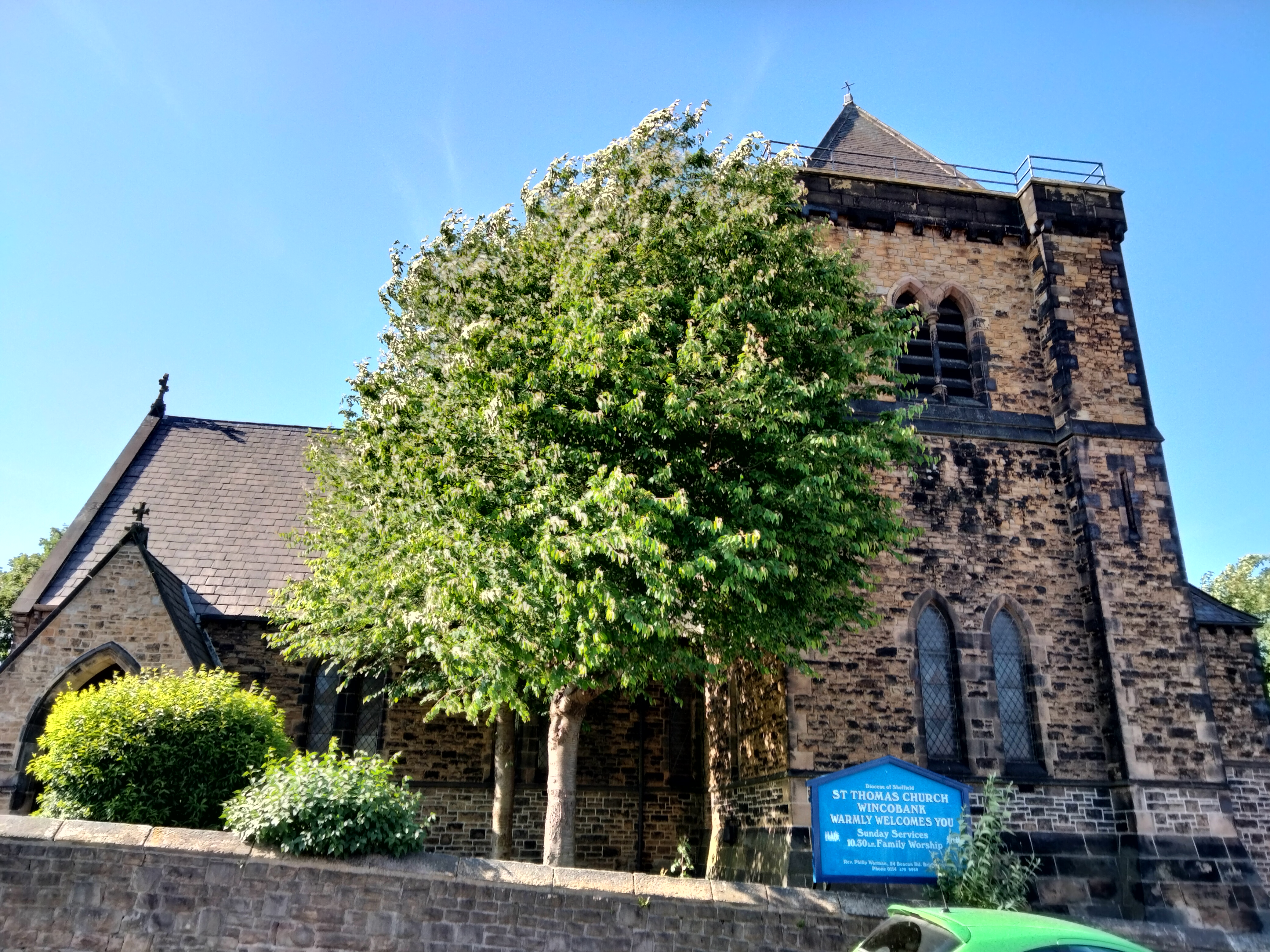
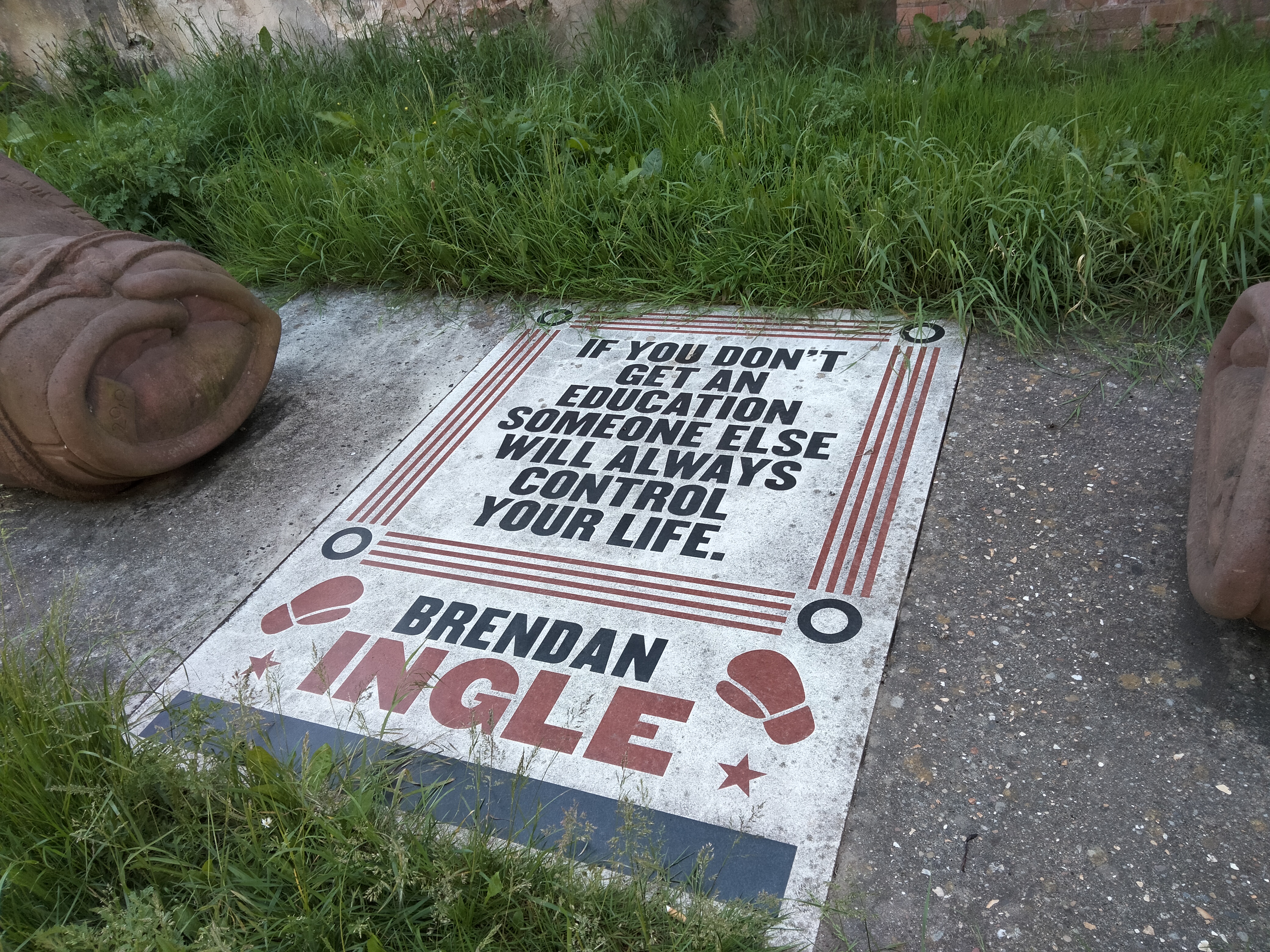
From here. the path runs through Wincobank Community Woodland, and it feels miles from anywhere, but it soon emerges into urban Sheffield again. There’s a real sense that Wincobank is a village – with its own village hall and Victorian Church. This road has also had a brush with international fame, as the home of Brendan Ingle‘s boxing gym, which I once visited long ago as part of an old job, and met the legendary man.
At the bottom of the street, turn left, under a bridge with some intriguing post-industrial wasteland on both sides, the end of the walk come in sight in the form of the old railway track transformed into a smooth path, the Blackburn Valley Trail, that leads us straight back to Meadowhall Interchange.
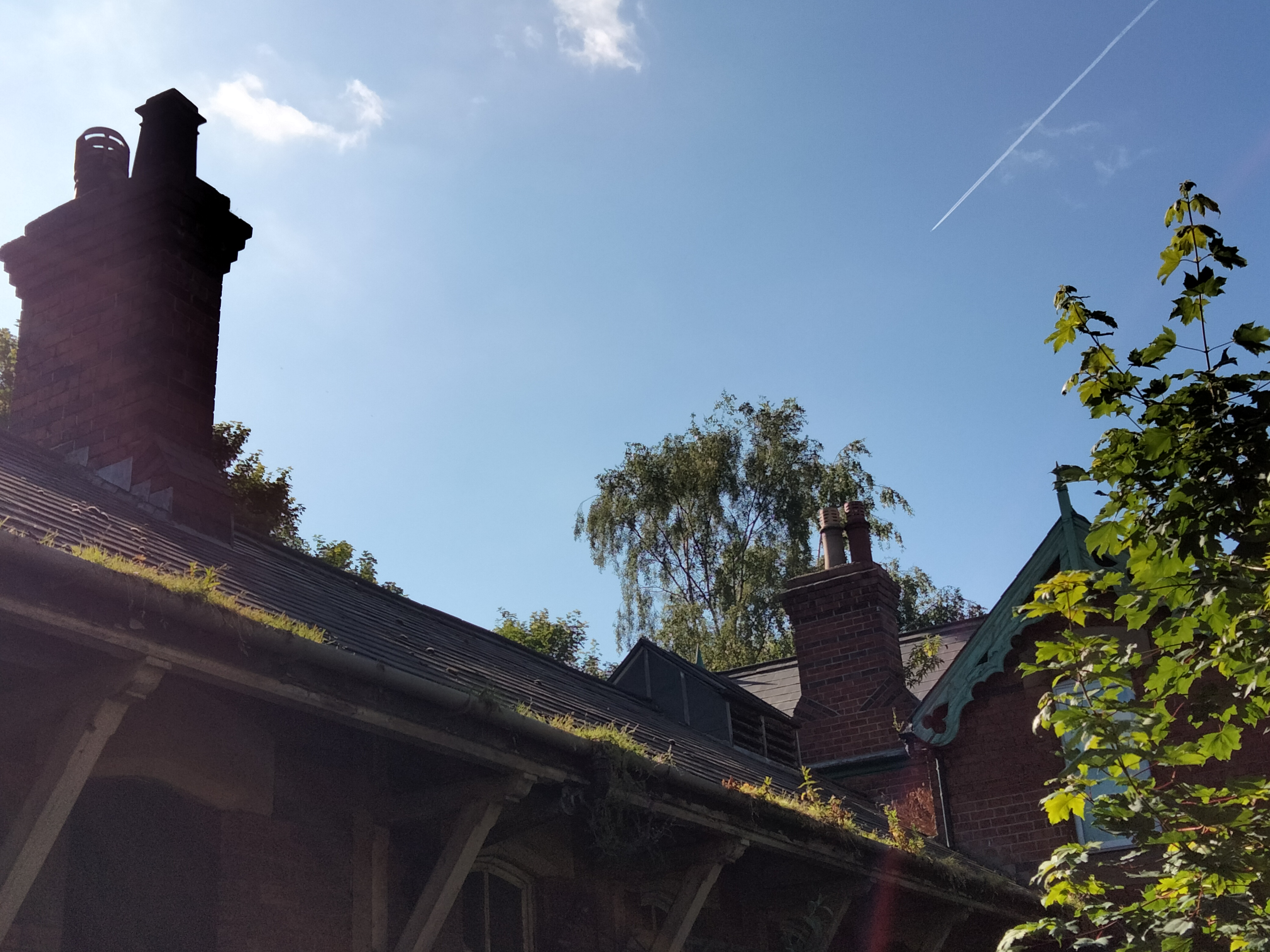
But there’s some more intrigue – emerging onto the path is the unmistakeable wooden rooftop of a Victorian country railway station – the former Meadow Hall station. It’s been closed to passengers since 1953, but it still has an evocative atmosphere, particularly surrounded by deep summer vegetation.
Wincobank ChurchA tribute to Brendan IngleThe former Meadow Hall station
I hope I’ve given you an enticing taste of what this walk has to offer! I hope I haven’t spoiled any of the surprises, and I hope you find it inspiring. See you on Saturday!
Whatever you write, this is your chance to get inspired by the natural world.
About this event
Join me in the beautiful Rivelin Valley for a treasure hunt with a difference – you’ll be searching for the words to describe the wonder of nature and your relationship with it, using all of your senses and learning how to incorporate the natural world into your writing. We will be taking a walk up the valley, which is a haven for wildlife and industrial archaeology, stopping a few times to write and explore, before heading back to the Rivelin Valley Cafe for a drink, a sit down and a writing exercise to finish off the morning with a flourish! Suitable for adults and older children and teenagers with an interest in writing! The walk will be fairly easy-going but will not be suitable for wheelchair users in some places. For more information about the Rivelin Valley, follow this link: https://rivelinvalley.org.uk/ More information about the Rivelin Park Cafe: https://www.facebook.com/Rivelin-Park-Cafe-724084727634545/
Meet outside the Rivelin Park Cafe for a 10am start!
I’m Anne Grange, a local writer who loves nature. I’m often found walking, taking photos, watching wildlife and even swimming outdoors!
My novels are always inspired by the natural world, and issues such as climate change. I would also describe myself as a nature poet, inspired by post-industrial landscapes and the “unofficial Countryside” as well as the breathtaking vistas of the Peak District. The Rivelin Valley is both of these things!
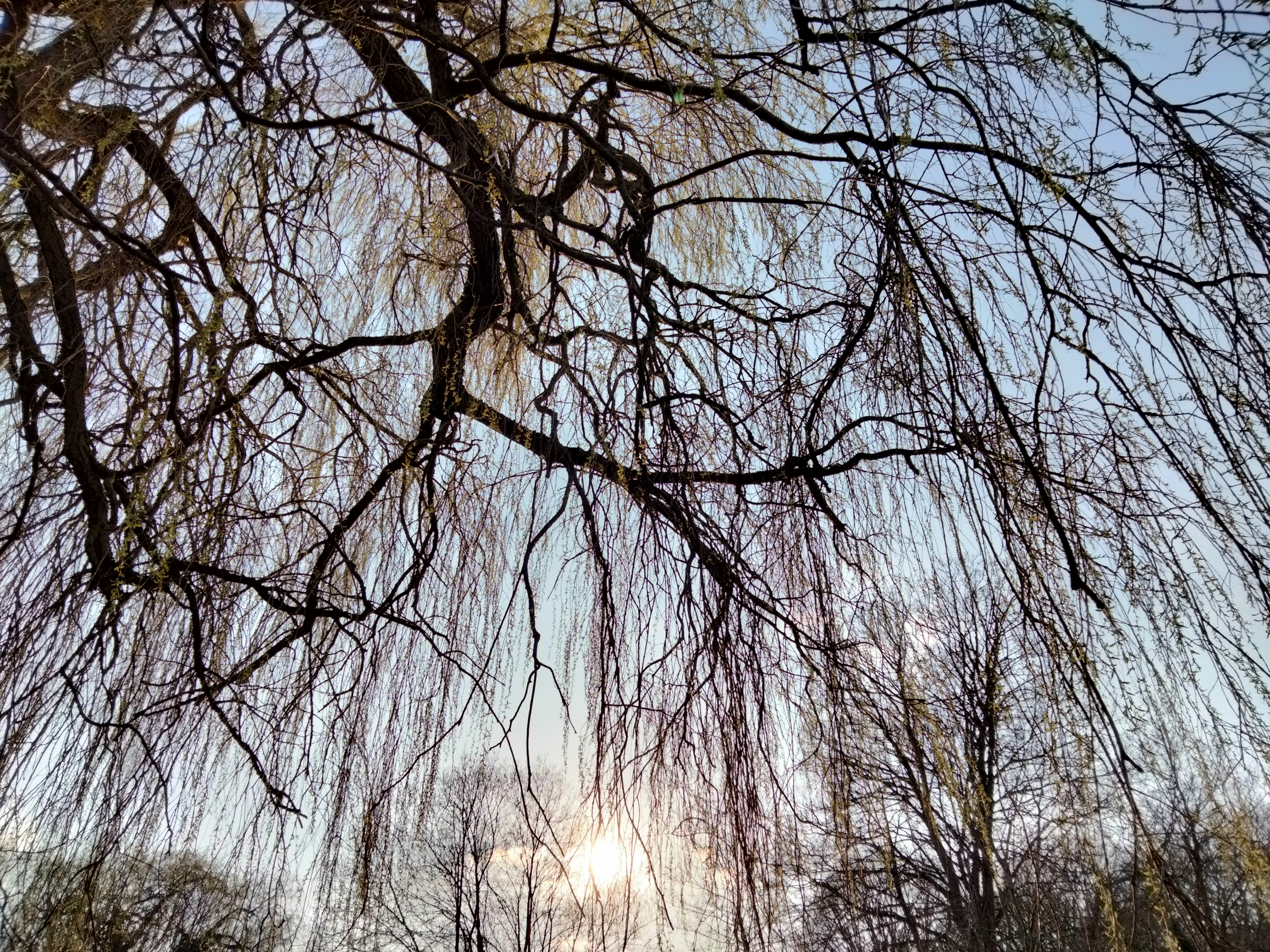
The beautiful willow tree outside Rivelin Park Cafe, coming into leaf yesterday.







 Anne Grange Writing