Tales of the Unexpected – a walk to Wincobank Hill Fort

Not many people would expect to start a walk starting from Meadowhall Shopping Centre to take in spooky abandoned railway stations, ancient woodland and an Iron Age Hill Fort, but that’s exactly what I did on Sunday, in preparation for my next nature writing walk and workshop. Here’s the link to book your place. I hope that my blog post will intrigue and entice you to come along.

The walk starts at Meadowhall Interchange, and I found a good route that takes just over two hours of slow walking time. A lot of it is uphill, but it’s worth it for the view and Wincobank Hill is absolutely amazing. If you are joining me on Saturday, please bring a packed lunch, water bottle, a waterproof jacket and your phone / camera / notebook / sketchbook to capture the experience.

We’ll meet on the tram platform at Meadowhall Interchange at 10am on Saturday 8th June. You could come by tram, train, bus or you could park nearby in the Park and Ride car park.

We will then walk across the pedestrian bridge into the shopping centre. It’s always fun to be going somewhere different from most people, and rather than retail therapy under bright artificial light, we are heading for a complete immersion in nature, a few streets away from the urban East End of Sheffield.

I followed the route on this website: https://www.exploringyorkshirebyrail.com/post/meadowhall-trail and it worked out really well, with lots of new discoveries to explore.

At first, the walk skirts the shopping centre alongside the river. This may seem like a detour, but it’s worth it for a few reasons. There’s a nature reserve running along the banks of the river and at the moment, it’s in full bloom. There are also interesting historical things to notice, including Hadfield’s Weir, dating from around 1600.
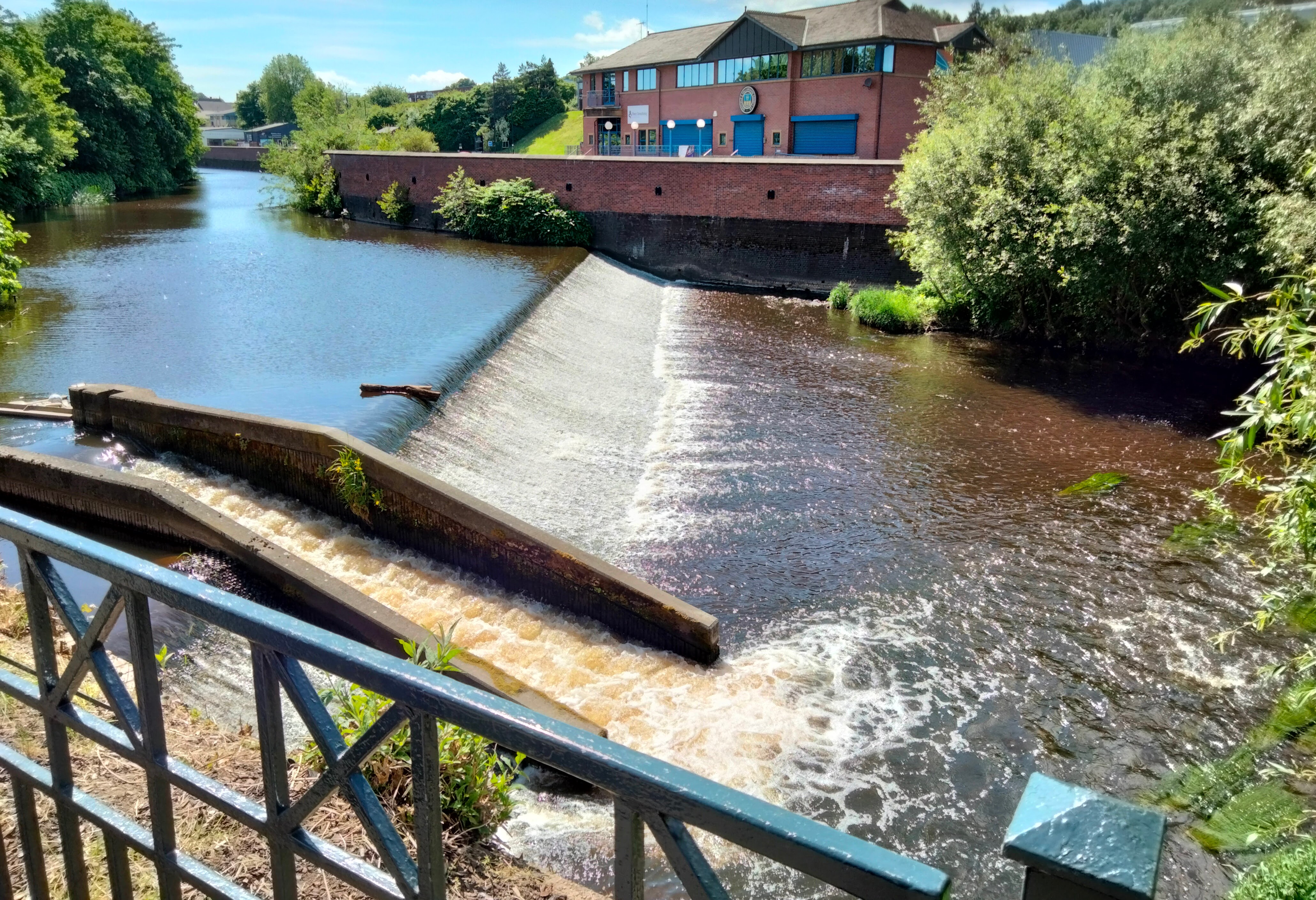
Hadfield’s Weir

Turning a corner onto Weedon Street, another unexpected place appears – Rag’n’Bone Sheffield, an arty, bohemian cafe, in what used to be a monumental mason’s yard! https://www.facebook.com/RagnBoneSheffield/ It would be rude not to stop off here for a quick coffee/cake, look around and a quick writing session, but it’s so close to the start of our journey that it would be easy to get distracted, so we won’t linger too long, for fear of not reaching our destination.
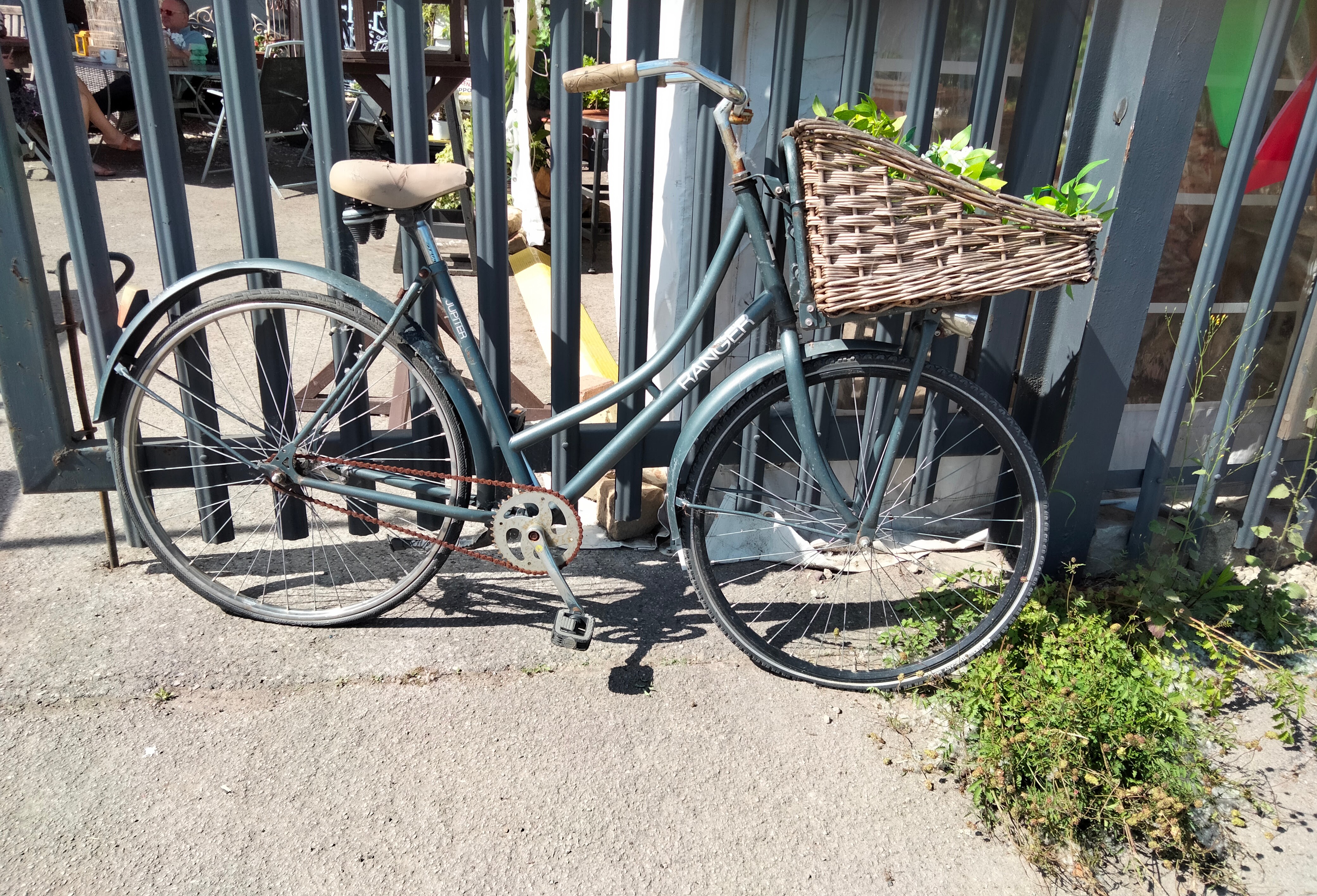
Rag ‘n’ Bones Sheffield

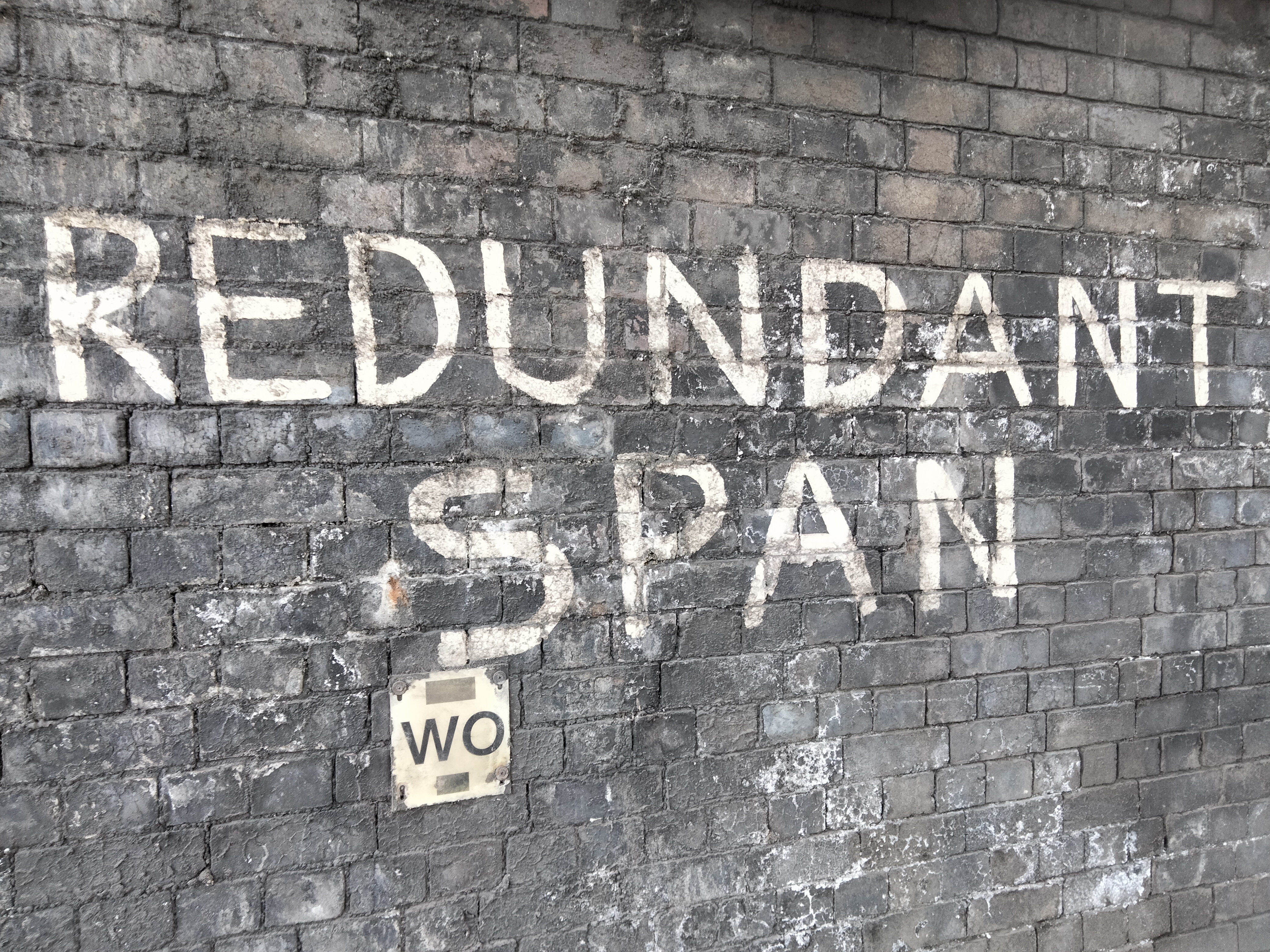
From here’s there’s a busy junction, familiar to anyone who’s ever driven to Meadowhall shopping centre, but even here are interesting historical details. The phrase “redundant span” written in official-looking paint on a bridge has led me to discover that the Brightside railway bridge we pass under is a disused bridge that goes nowhere these days. Colliery Road is blocked off to traffic and looks deserted and wooded, eventually disappearing into a spooky-looking tunnel under the railway. But we’ll carry on under the bridge towards the Crown Pub, turning left up Station Lane. It’s easy to imagine that this was once bustling with people travelling to and from work at the steelworks and foundries, but today it’s abandoned, apart from some flytipping.

It’s obvious that this was once the approach to a fairly substantial railway station, one you’ll whizz through if you catch a train to Meadowhall Interchange, Rotherham or Leeds. The bridge over the railway lines is open, but the steps leading down to the old platforms at Brightside Station have been removed and blocked off, adding to the eerie atmosphere. The station has been closed since 1995.
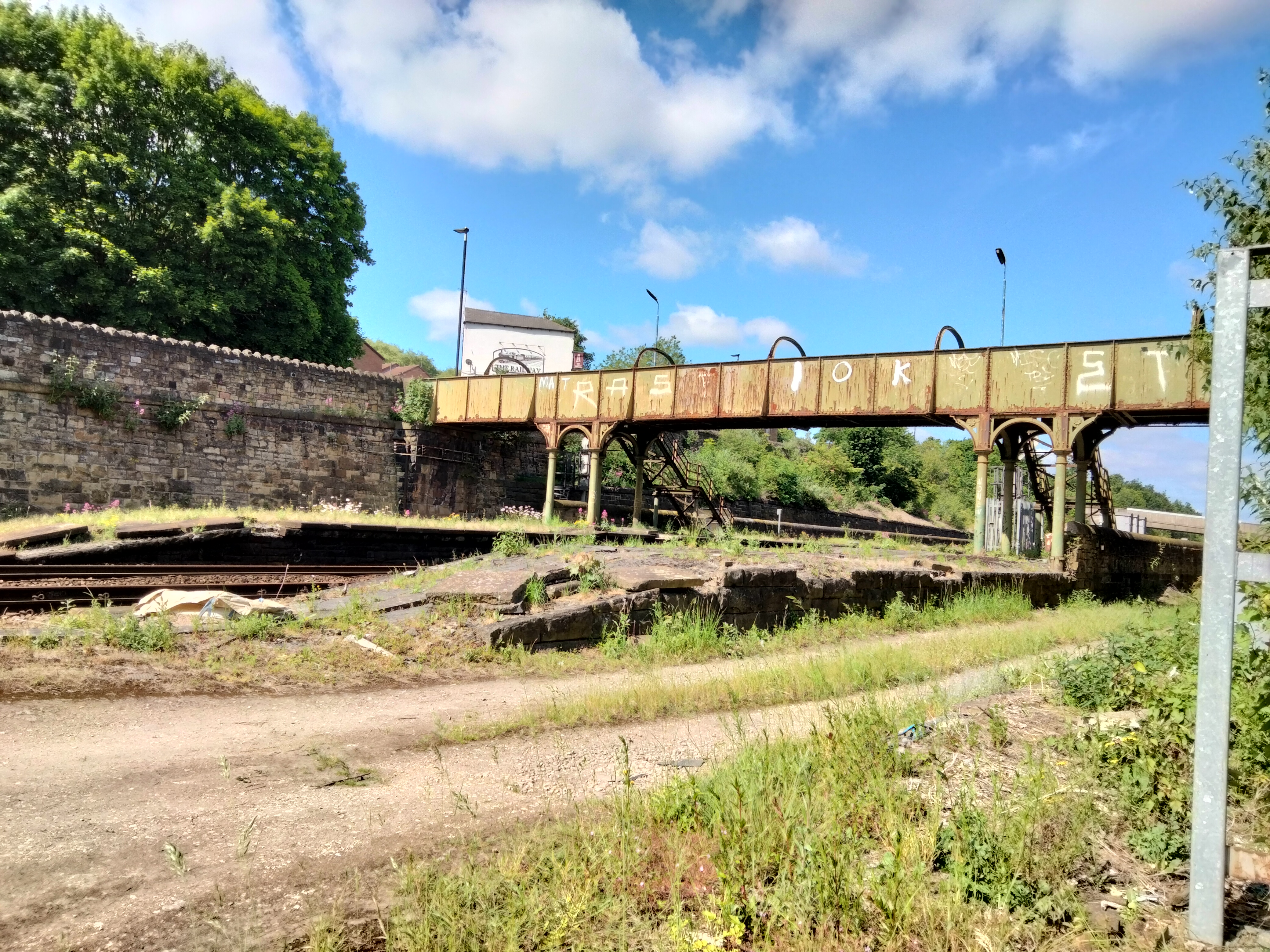
Across the road, the Railway Pub looks inviting, but we need to keep walking! Crossing the road and following the path at the side of Holywell Road, there’s a magnificent view of Sheffield Forgemasters steel works. The other side of the road is deeply wooded, with wild roses growing everywhere. It’s the perfect Sheffield contrast. After a couple of minutes, we’ll reach the Brightside Colliery Memorial, a tribute to the miners who died in accidents in the nearby mine that closed in the 19th century.
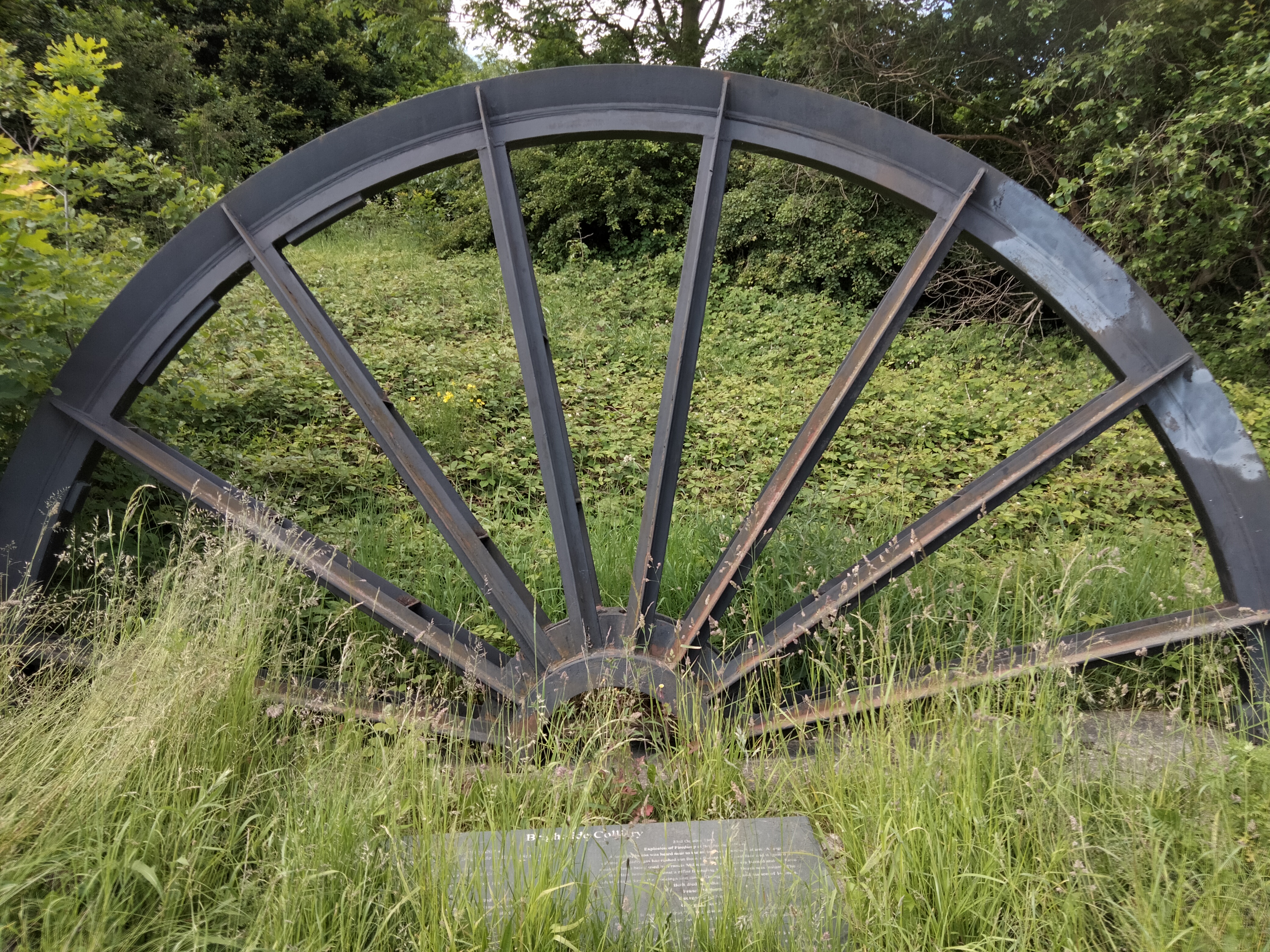
Brightside Colliery Memorial

From here, there’s a path that runs steeply up a wooded embankment, emerging into Beason Way Open Space, a lovely meadowy space, through some more woods, into another field and up a steep path, emerging around the back of some lock-up garages! From here, we take a turn into suburban Sheffield on Beacon Way and Wincobank Lane, and this is where our wild adventure really begins.

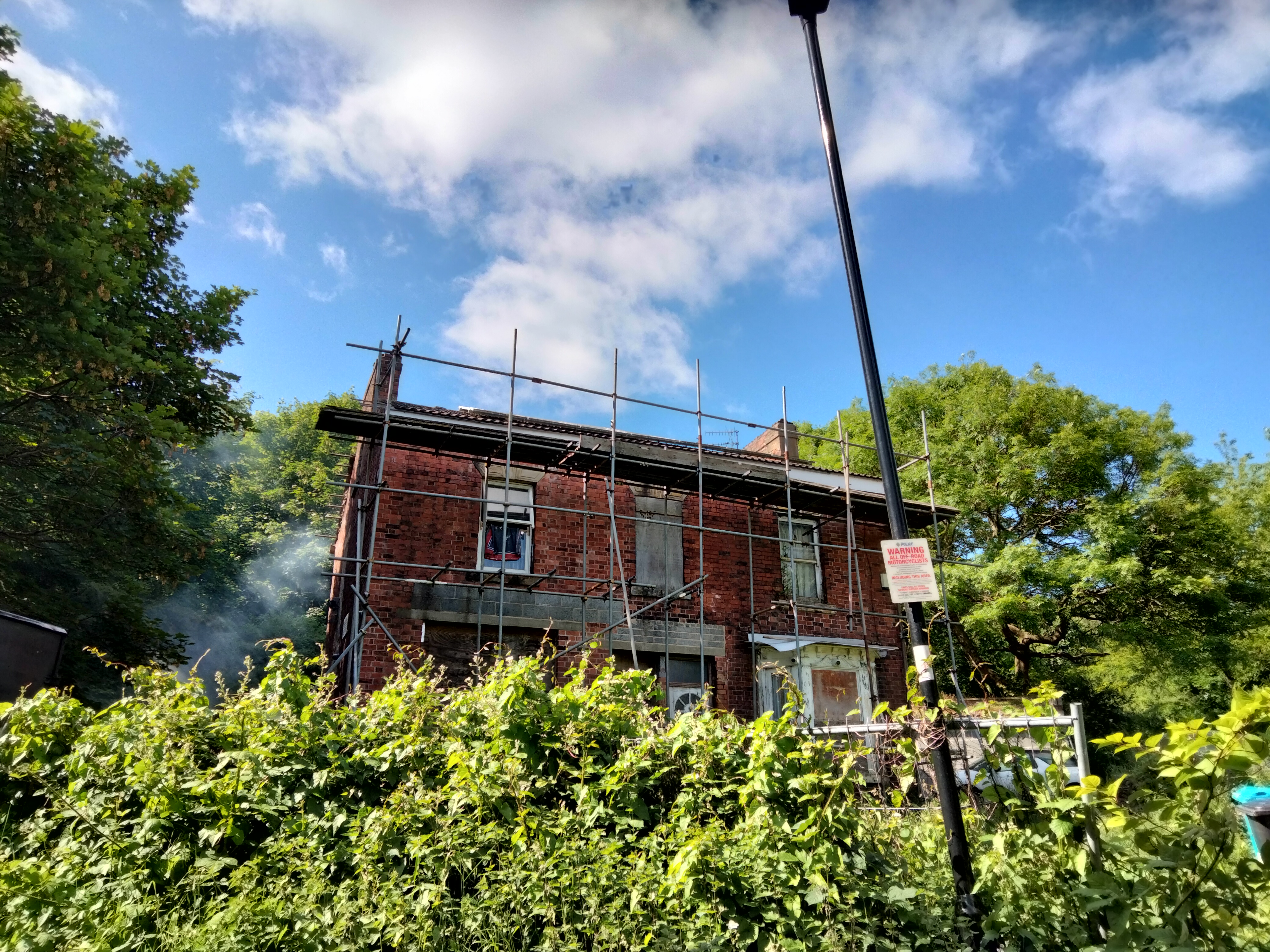
There’s a spooky old house that looks abandoned, apart from smoke rising from a brazier in the overgrown garden. Someone seems to be doing it up – but very slowly. When it’s finally restored back to its Victorian glory, it will be beautiful. On one side of the road is a cluster of Victorian terraced houses, on the other side, ancient forest, rising upwards in the only steep hill for miles.
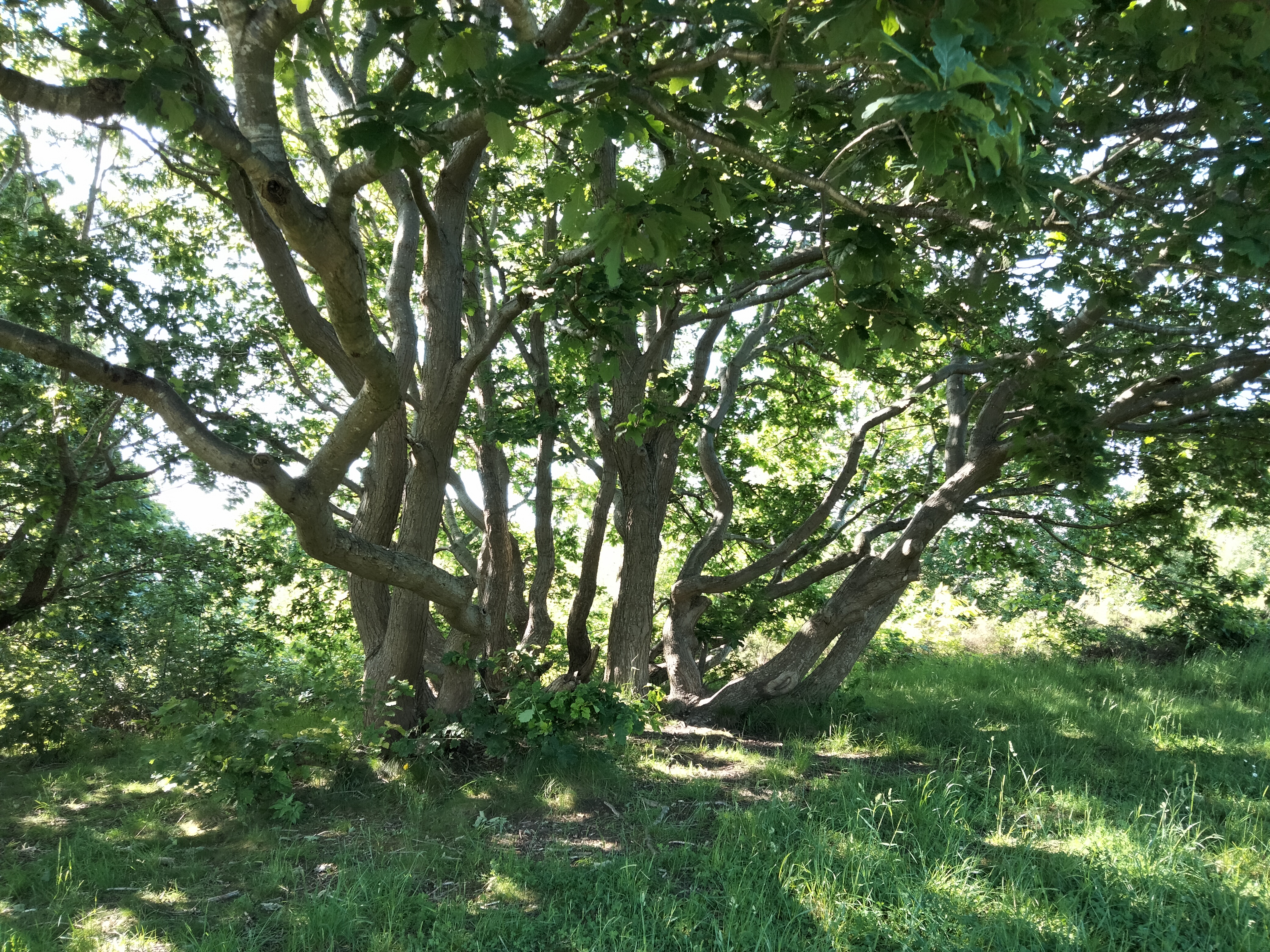
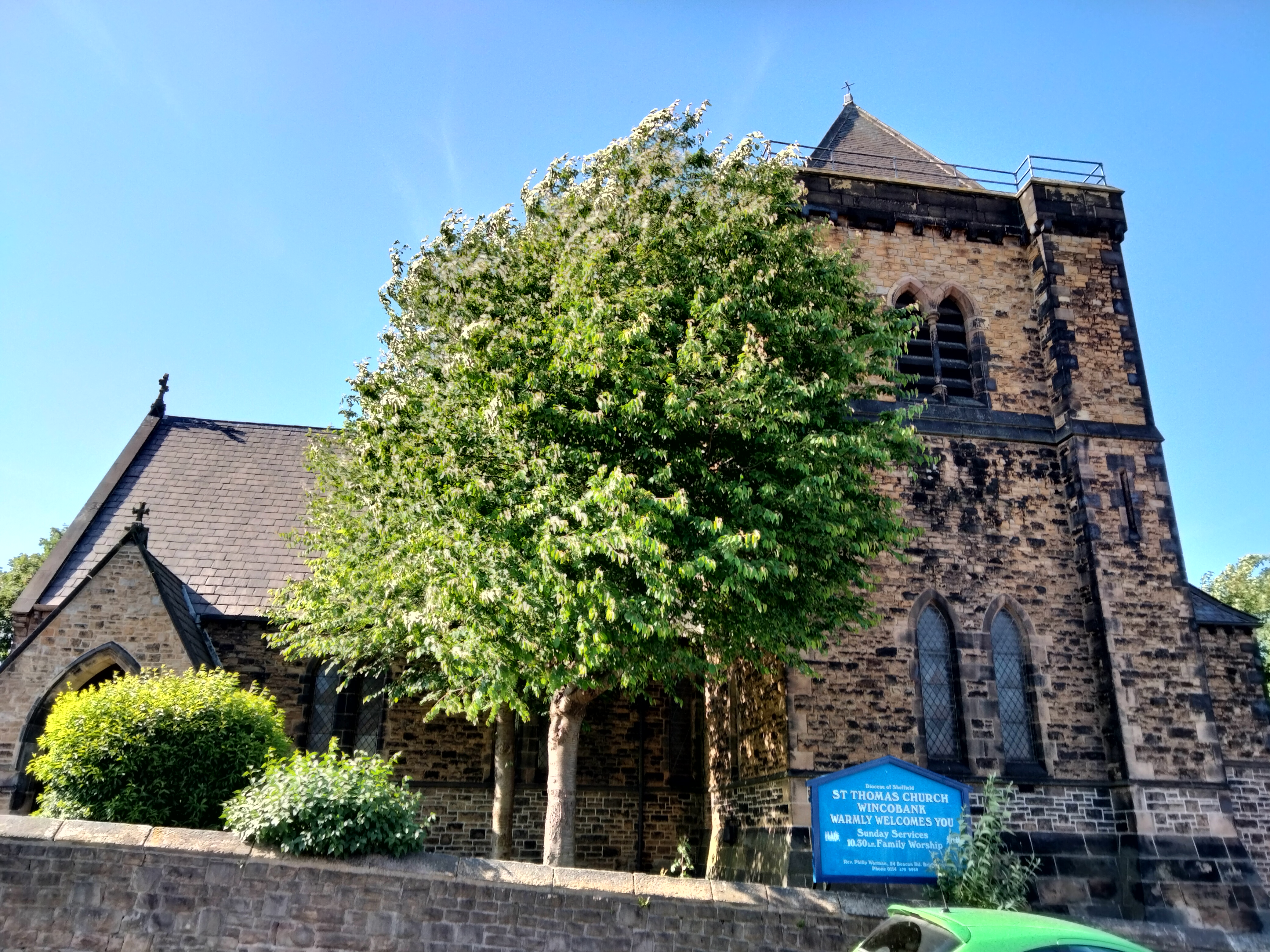
Following the path uphill through the trees, the modern world quickly falls away. This forest is a small glimpse into what Sheffield must have been like when it was part of Sherwood Forest, hundreds of years ago. But the history goes back further than that – to the pre-Roman Brigantes tribe of Britain, who built a fort here around 500 BC.

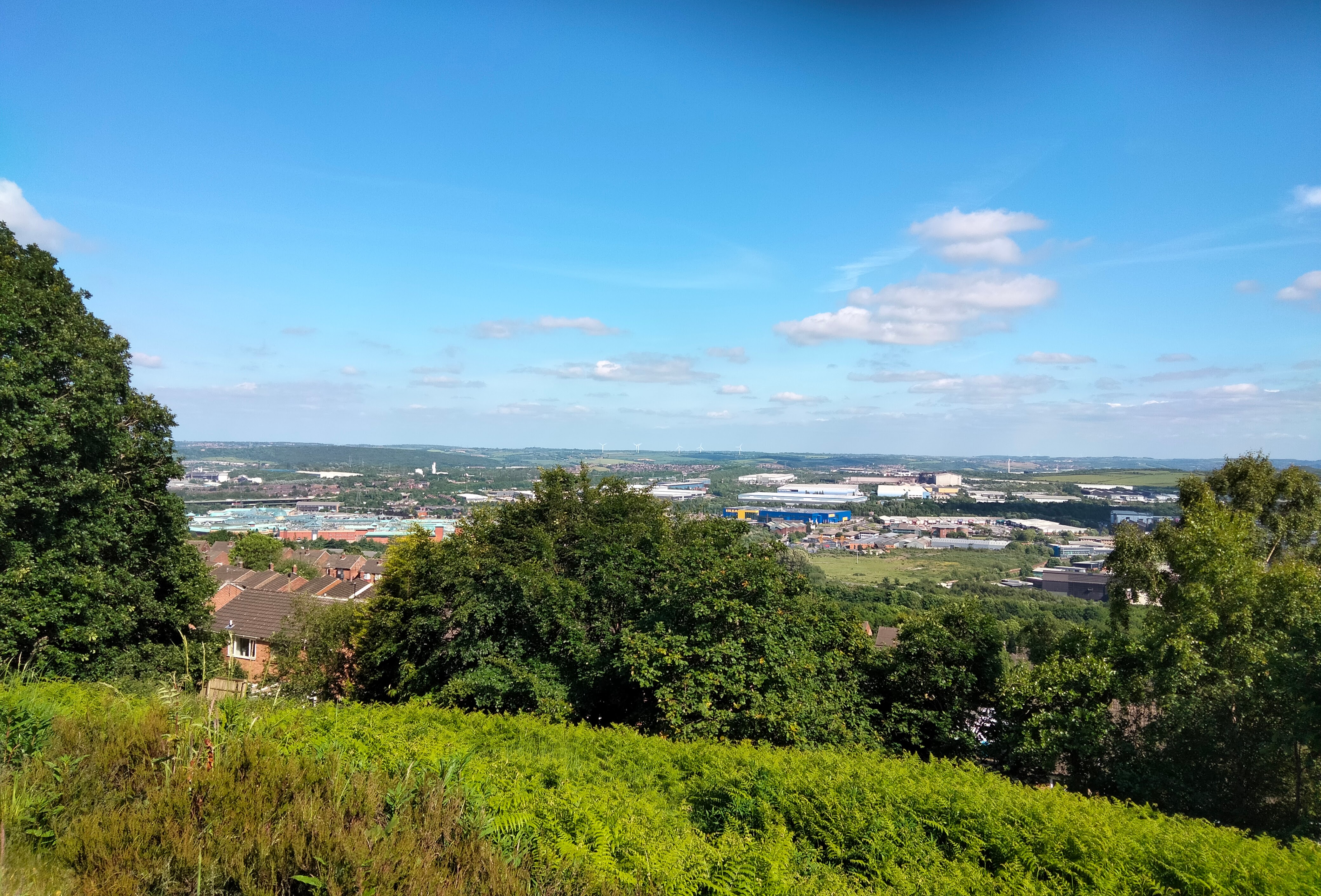
The steep stony path through the trees may go back to Roman times, certainly medieval people would have used it, and it leads straight to the top of the hill. The view over towards the north and west of Sheffield is stunning, and the outlines of the hills are unchanged for centuries. That’s what I like about Sheffield so much – you can always see trees and hillsides!

Right at the top, there’s an open area, brimming with plant life, where you can see the fort’s ditches, and this is another great viewpoint – in modern times, over to the M1 bridge at Tinsley, Meadowhall and the Ikea. You can see why the Iron Age tribespeople would have found this hill so special. On our walk, this is where we’ll stop for some lunch and to take time to write about the walk so far and the beautiful setting.

Just beyond this point is the site of a World War Two machine gun turret, and the path that runs downhill over the ridge from this point has been carefully cobbled in bricks, probably dating from the World War Two era. Then the path emerges onto Jenkin Road, one of the steepest roads in Sheffield, and world famous for being used for the Tour De France tour of Yorkshire in 2014.

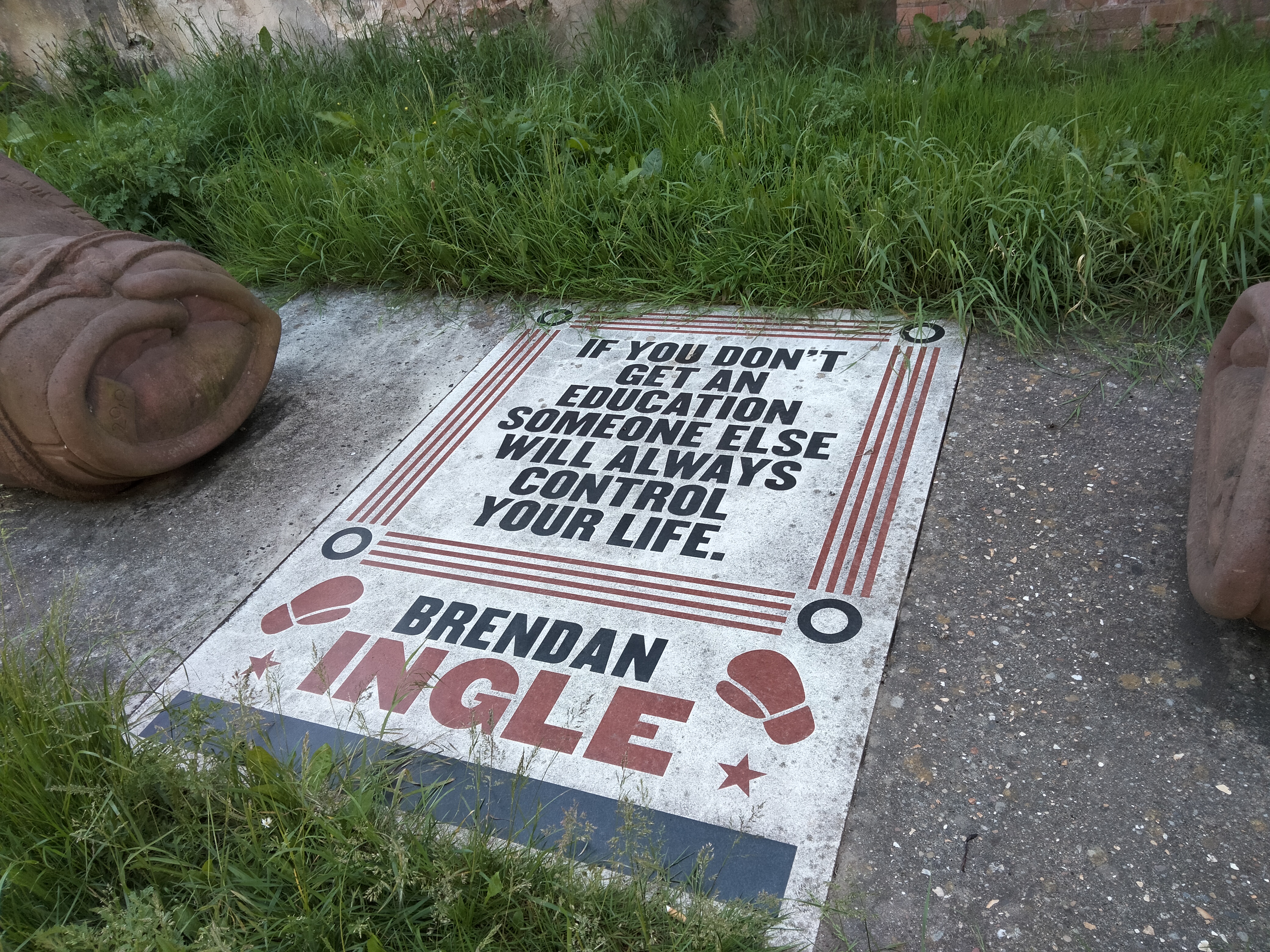
From here. the path runs through Wincobank Community Woodland, and it feels miles from anywhere, but it soon emerges into urban Sheffield again. There’s a real sense that Wincobank is a village – with its own village hall and Victorian Church. This road has also had a brush with international fame, as the home of Brendan Ingle‘s boxing gym, which I once visited long ago as part of an old job, and met the legendary man.

At the bottom of the street, turn left, under a bridge with some intriguing post-industrial wasteland on both sides, the end of the walk come in sight in the form of the old railway track transformed into a smooth path, the Blackburn Valley Trail, that leads us straight back to Meadowhall Interchange.

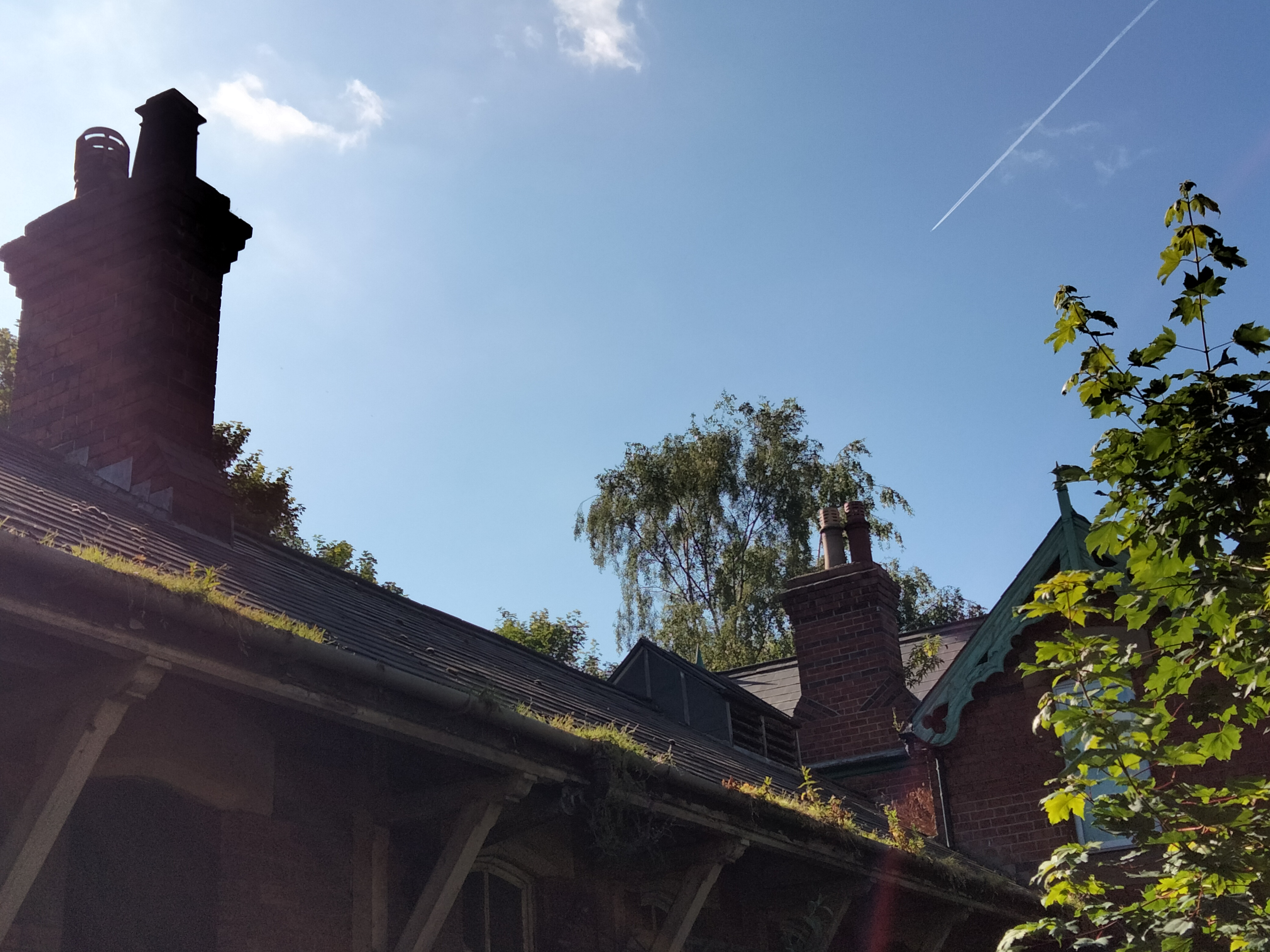
But there’s some more intrigue – emerging onto the path is the unmistakeable wooden rooftop of a Victorian country railway station – the former Meadow Hall station. It’s been closed to passengers since 1953, but it still has an evocative atmosphere, particularly surrounded by deep summer vegetation.
I hope I’ve given you an enticing taste of what this walk has to offer! I hope I haven’t spoiled any of the surprises, and I hope you find it inspiring. See you on Saturday!
You are not alone! A weekend of writing and exploring!

I spent last weekend in Coventry, catching up with friends and exploring the city.

But the reason I was there in the first place was to attend a workshop for writers, organised by the National Association of Writers in Education (NAWE). I joined NAWE as soon as I became a freelance writer, and I enjoy reading the association’s magazine, which inspires me to try new things in my workshops and teaching. This was the first time I had actually met other writers doing the same sort of thing I’m doing, and I was a little nervous, but definitely excited!

Rockin' in Whitefriars

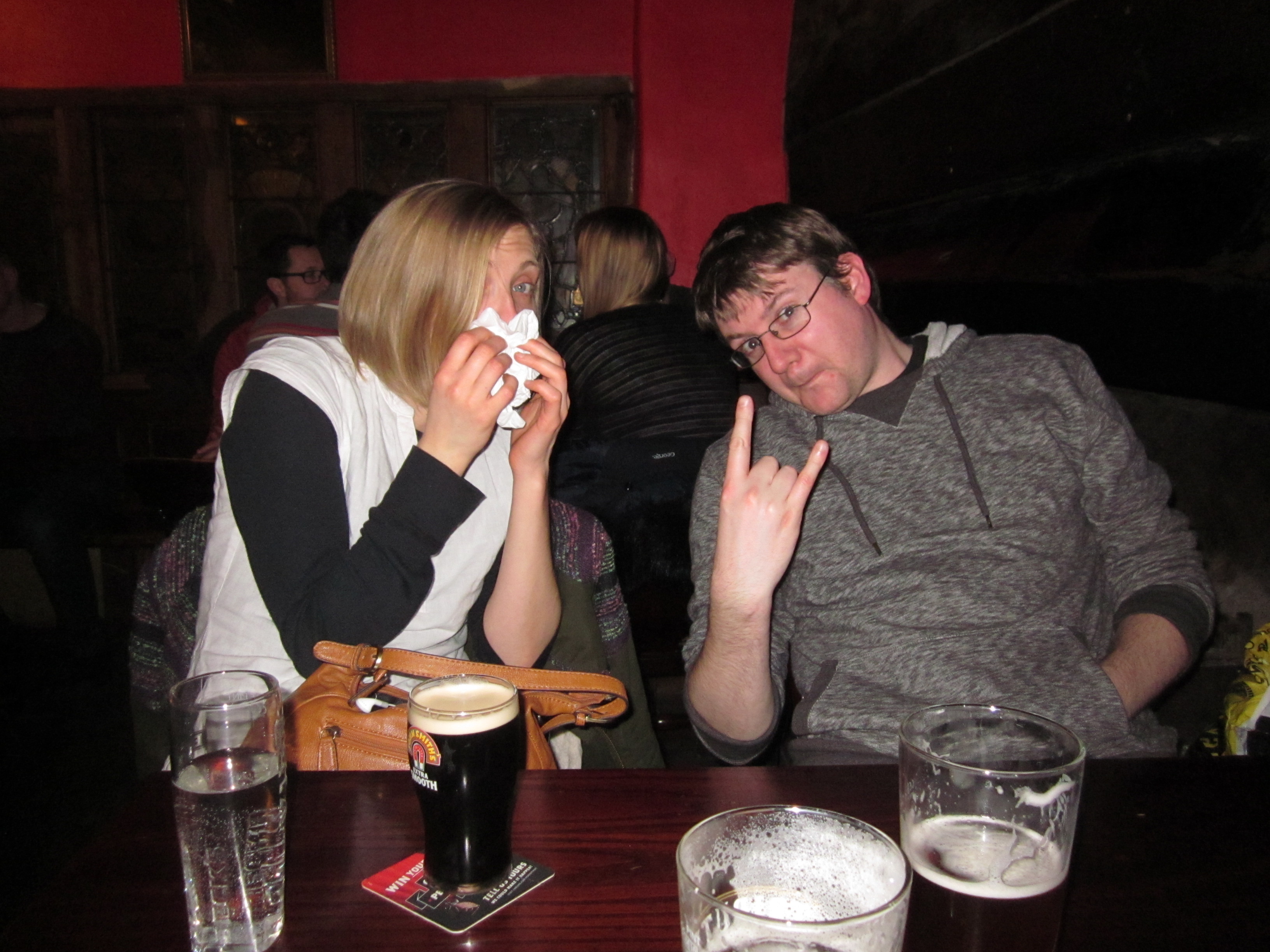
Rockin’ in Whitefriars

I’d spent the Friday evening in the Whitefriars Olde Ale House, in the centre of Coventry, drinking real ale with my friends Fraser and Louise, who I first met eight years ago at Wychwood festival, the first time I volunteered at a festival alone. I wasn’t alone for very long! On Friday night, we caught up with each other in the pub, which is a half-timbered fourteenth century building, with wonky floors, low beams and an open fireplace, which we huddled near. It’s actually been a pub for about fourteen years, but obviously the building goes back much further. It’s a rare survival of such an old building in Coventry. The city is now famous for the Blitz, on the night of 14th November 1940 (tying in with my last post!), when thousands of incendiary bombs rained down on the medieval city centre. The cathedral was destroyed, but became a memorial of international reconciliation and peace, with the  beautiful modern cathedral, which was finished in 1962, by its side. Back to the Whitefriars, one of Fraser’s favourite pubs! It’s also a rock pub, so our real ale heaven was accompanied by the Mission, the Cure, Hawkwind and Motorhead. If I could design my ideal pub….

Fraser’s parents were very kindly putting Louise and I up for the weekend and we walked home in the rain, chatting and trying not to get blown away!

The day of the “Working as a Writer in Community Settings” workshop started sunny and deceptively spring-like, but I should have known not to wear a short black dress that flared out, creating a Marilyn Monroe – type effect whenever the wind blew! I walked into the centre of Coventry. Fraser pointed me in the right direction and challenged me to find anything interesting on the long, straight road into town. Everything looked good in the bright sunlight, so I challenged myself to write a poem in my head as I was walking along. I can remember:

The van of a heating engineer called Warmington.

People queuing up to wash their dirty cars.

A broken advertising hoarding.

Fairy tale tangles of briars and bramble.

A train flashing past.

A section of fence painted like an England flag.

A large dog barking in a back garden.

I was soon in the city centre, and found the university building, the George Elliot building with ease. The university is in the city centre, and the mixture of modern and medieval buildings contrasted against the joyfully blue sky. The name of the building reminded me that I have never managed to get through the whole of Elliot’s novel ‘Middlemarch’. I cheated last year, and listened to it on CD. More exciting nineteenth century novels are available! George Elliot (her real name was Mary Anne Evans, but she wrote under a male name in order to be taken seriously) lived in Coventry for much of her early life. When it comes to nineteenth century literature, I’m more of a Thomas Hardy and Bronte sisters fan. Much more drama and passion!

Anyway, the NAWE conference was well signposted, and tutors from the creative writing degree at Coventry University were waiting on the ground floor to escort me, and another participant, to the room where the workshop would take place. I felt very warmly welcomed. I was fairly early, and as the other participants arrived, I realised that people had travelled from far and wide, including Scotland, to attend the workshop. As we introduced each other, it dawned on me that these are my colleagues. That the path I’ve chosen, as a freelance editor, writer and tutor, is actually a career, and not just some weird thing I’ve made up! Other poets, novelists, essayists and journalists are making their living teaching creative writing, being writers in residence and using their writing skills to help other people to tell their stories and make their voices heard. It was so exciting, that I was probably a bit too chatty – but I felt that I was in my element!

I was really keen to meet workshop leader River Wolton again. A former Derbyshire Poet Laureate, she lives in Grindleford in the Peak District and has worked with many communities in Sheffield. She remembered meeting me before, in my old job in the diverse area of Burngreave in Sheffield, when I helped her to design a poetry booklet! River talked us through two really inspiring community projects she’s been involved with: “Allowed Out“, a project discovering stories of LGBT activism and the history of the gay community in Sheffield; and a project with refugees and asylum seekers who have finally found a safe home in Sheffield, and who are now writing about their experiences and the precious things in their life. We discussed setting up our own projects, our excitement about the possibilities of working in the community and our worries and concerns. Led by River Wolton and Anne Caldwell  from NAWE, we discussed the practicalities and inspiration for running projects in different community settings. The diverse case studies included older people in a library, primary school children, asylum seekers and refugee communities. The definition of community settings is wide-ranging, and could even include an internet-based community of people with a shared interest. Writing projects can be multi-media, including visual art and music.

We went for lunch in the nearby Herbert Gallery (where my friend Fraser works!) and I enjoyed talking to the other participants, finding out about Here Comes Everyone Magazine, the brainchild of Adam Steiner, a poet attending the course. The magazine is a social enterprise, open to everyone to contribute. Why don’t you have a go yourself?

After lunch, we worked in pairs to set short and long-term goals for ourselves! I realised that I need to commit more time to my own writing. I’m working towards the end of the first draft of my second novel, and I need to keep going, and set myself targets. I love balancing a hectic workload of editing and teaching, but I mustn’t devalue my own writing! My first novel Outside Inside is available on the Amazon Kindle – one of the things I must do is to bring out a paperback issue – there, I said it, and I must do it. It’s so easy to put things off!

Our confidence boosted, we discussed funding options with Anne Caldwell and Jonathan Davidson from Writing West Midlands, and I was excited to find out that the creative writing project I’m working on with patients at Newholme Hospital in Bakewell could be eligible for Arts Council funding. The next step is to put a proposal together and put a bid in. Exciting times! I just need to put the work in now.

The NAWE workshop left me buzzing, and with lots of new ideas and a new group of like-minded contacts. All that remains is for me to get on with it and do the work. That’s the only way anything gets done. It’s no good just dreaming. You’ve got to take action too! Well, it’s worked so far….

After the workshop, I drafted a new section of my novel in Coventry’s other great institution, Browns, a pub/cafe, a modern building with lots of wooden furniture and a distinctive curved roof. Then Fraser and Louise rejoined me after an exciting trip to Birmingham and Wolverhampton, where they had bought me some charity shop birthday presents. We met more friends, some of them from the world of festival stewarding, and so many Coventry friends of Fraser’s, it felt like I was in the middle of a social whirl. It was lovely to talk to so many people, and I had a lovely vegan moussaka for only £6, as well as a few pints of Thatcher’s Gold cider. Finally, we were spilled out into another windy, rainy night.

Sunday was mostly bright again, but freezing, and we explored Coventry City Centre before I headed back to Sheffield, refreshed and determined to put my creative plans into action.