
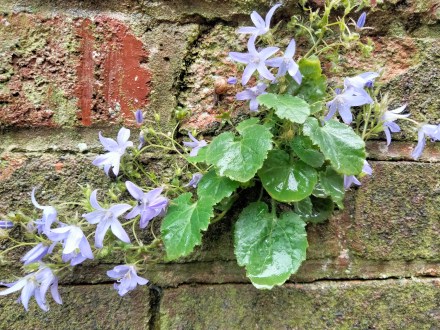
The Microcosm of Morley Street
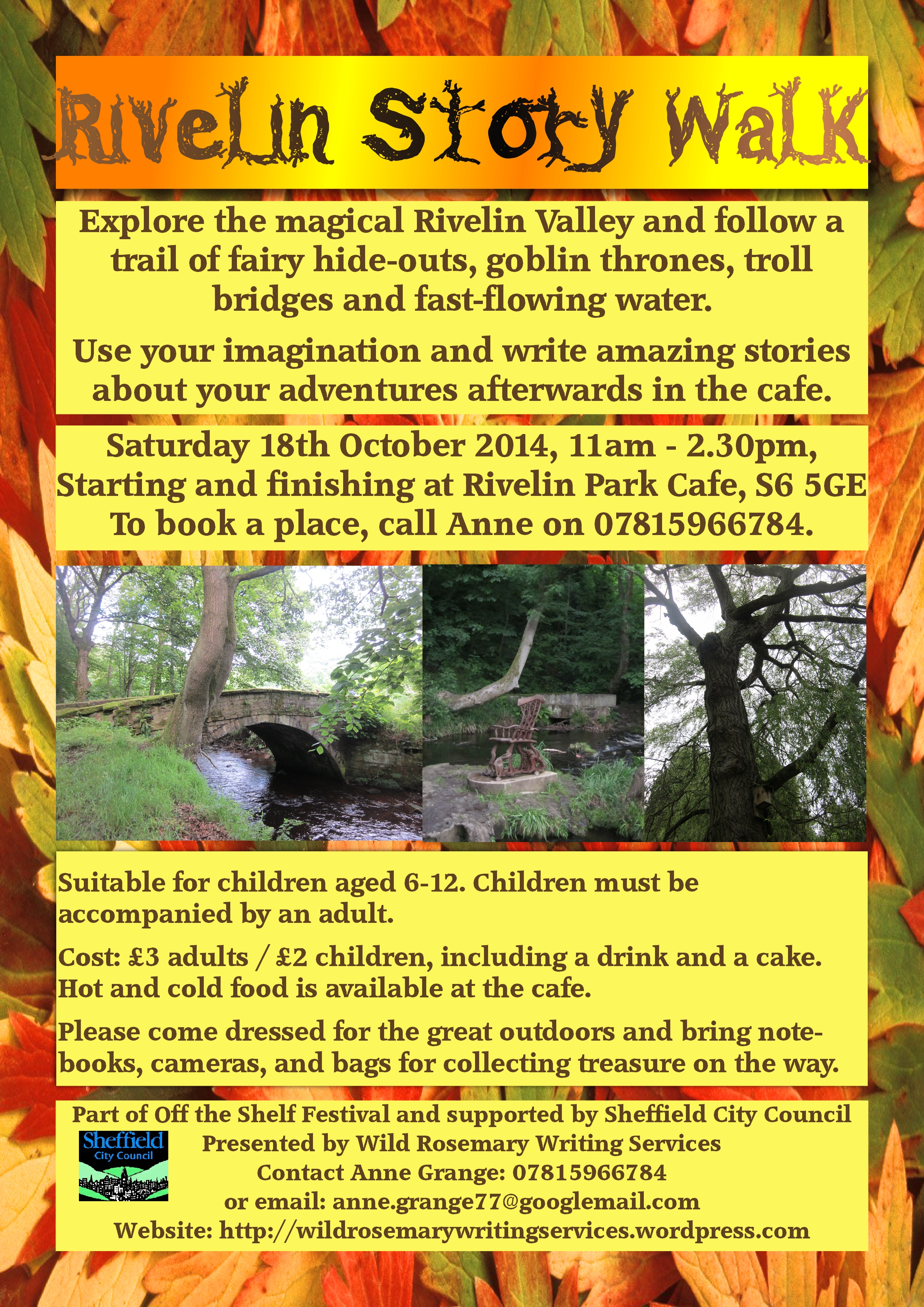
The next Nature Writing Workshop and Walk – foraging special! is coming up this Saturday on 26th October from 11am – 1.30pm. If you aren’t really into writing (yet) or don’t know what foraging involves, I went on a “rehearsal” walk with Kath Walsh, a local foraging and plant expert yesterday.
To book a place on the workshop, click here: https://www.eventbrite.co.uk/e/nature-writing-workshop-and-walk-foraging-special-registration-1013862077767?aff=oddtdtcreator The workshop costs £9 for members of the Writers Workshop and £12 for non-members.
The sun came out as I met Kath under a row of lime trees (not the citrus kind) at the junction of Limbrick Road and Walkley Lane, which is where we’ll meet you this Saturday. The flowers of this tree can be used to make herbal tea! These trees are just uphill from the weir on the River Loxley, which is deliberately being kept in its damaged state after flood damage, because it helps fish to swim upstream.
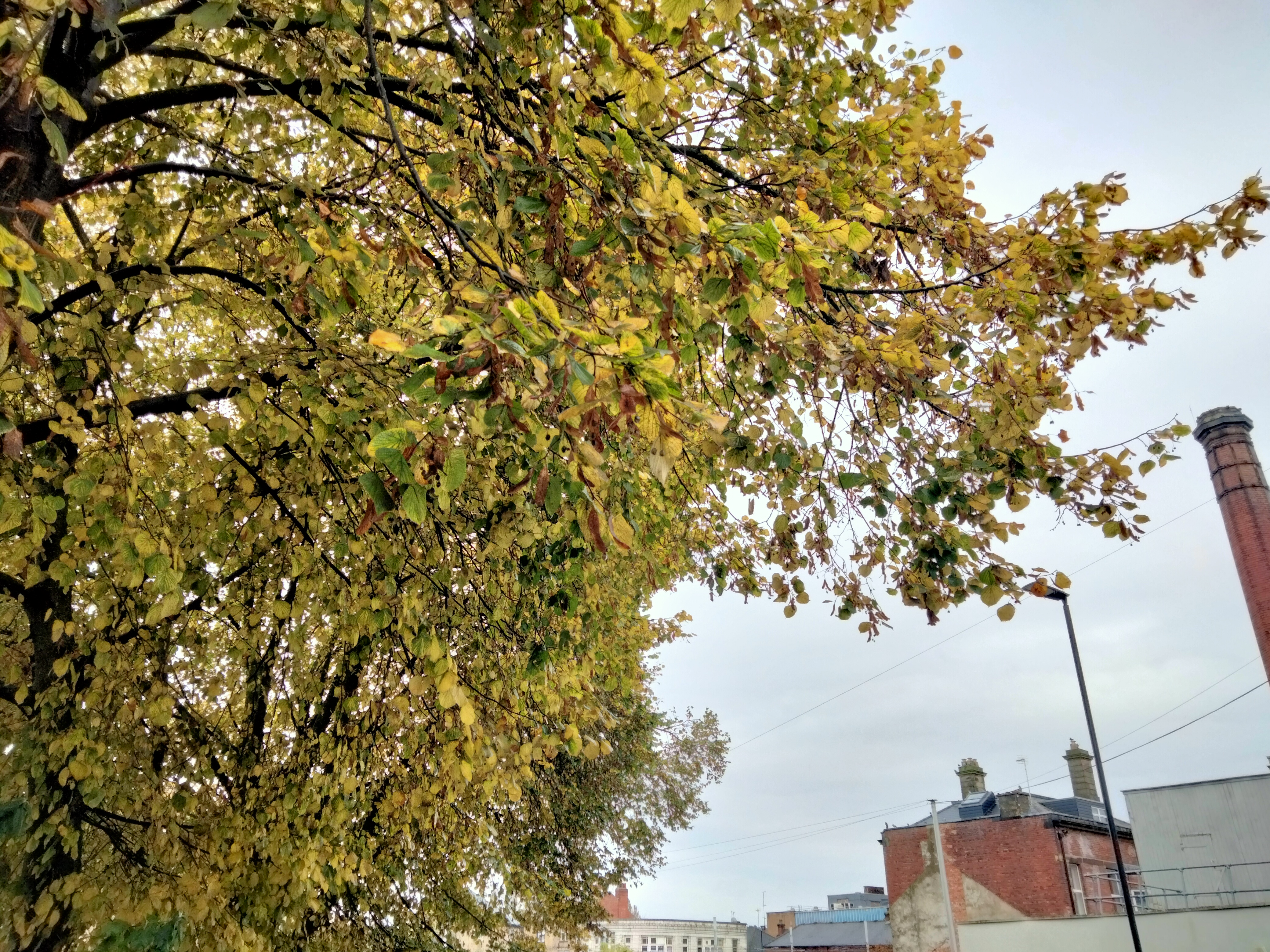
Walking along Limbrick Road, Kath points out a lonely crab apple tree with a dramatic story, and told me about the edible properties of garden plant fuchsia. Stories are everywhere and walking slowly and mindfully, we notice everything growing here, including a strange slime mould creeping across the pavement! Even though we are still on a city street, I already feel transported to somewhere more magical.
Before we walk up a steep bank (please wear wellies or walking boots on this walk), Kath points out an apple tree and talks about the folklore and medicinal benefits of this fruit, which we often take for granted.

Before we’ve reach the flat space at the top of the nature reserve, we’ve talked about a dozen stories – from the tragedy of ash dieback that’s already decimating our woodlands, to the threat of the invasive Japanese knotweed. Nature always reflects human stories – from climate change to this thriving nature reserve on a formerly industrial site, which some say was also a local dump.
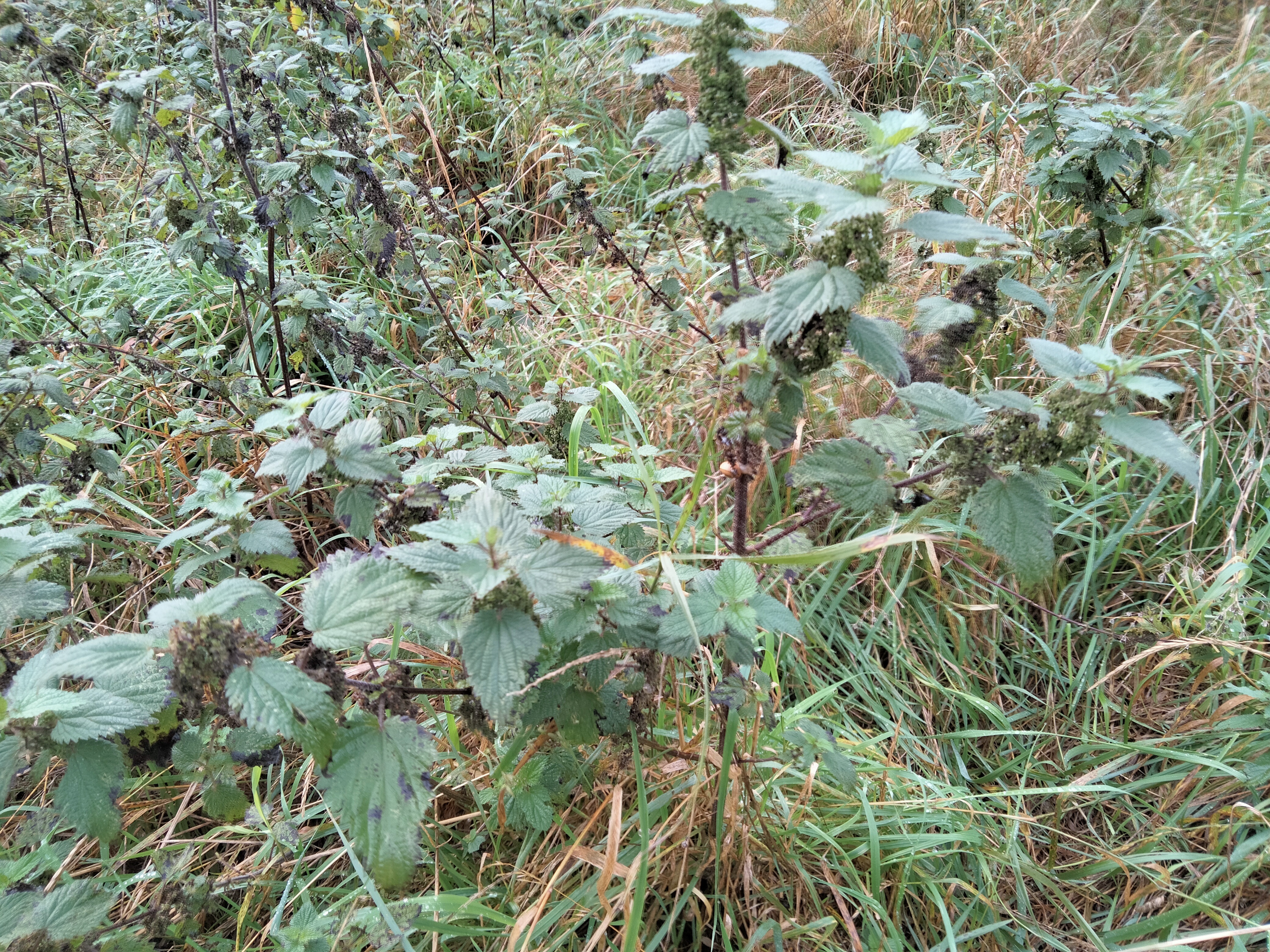
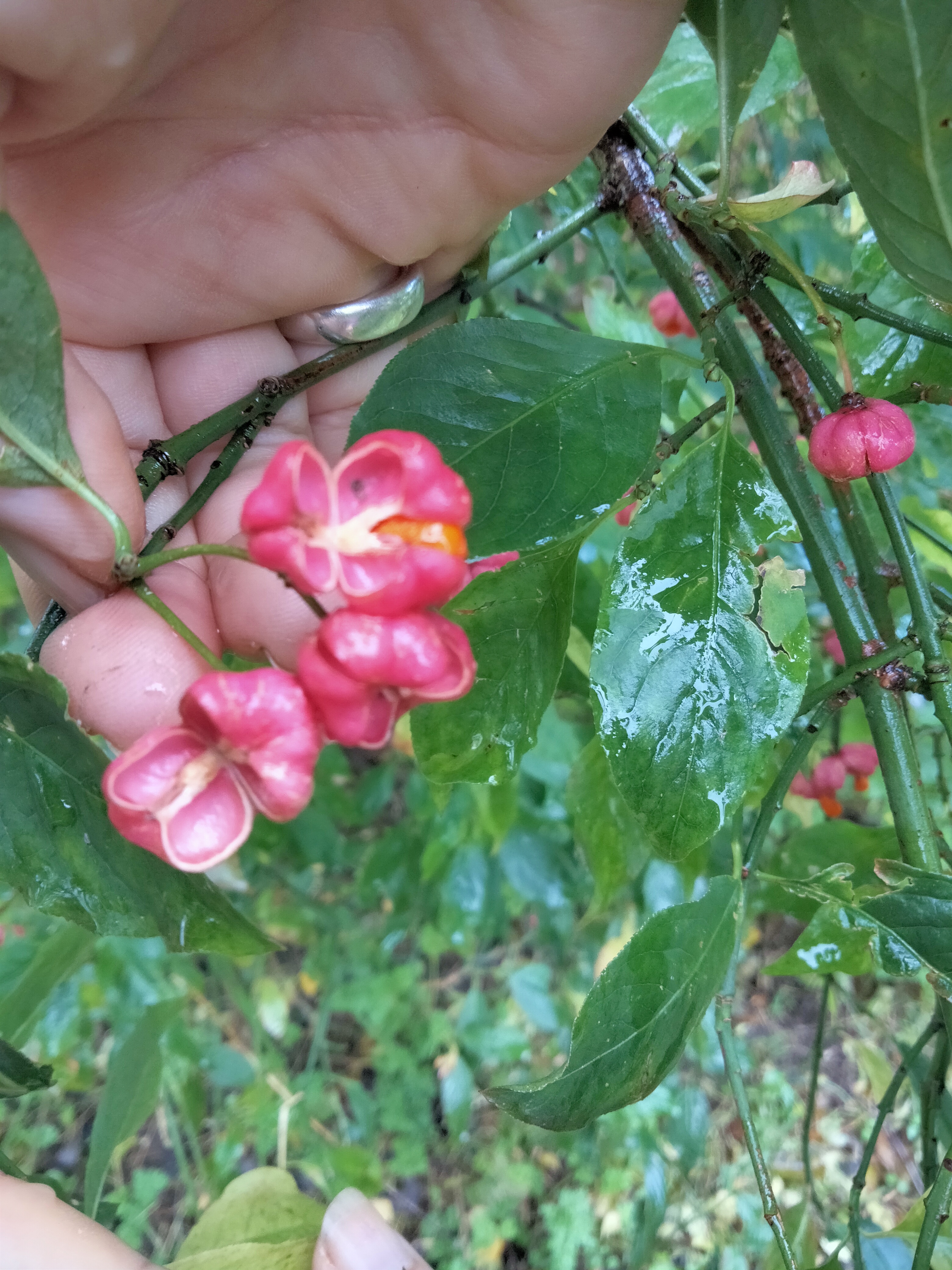
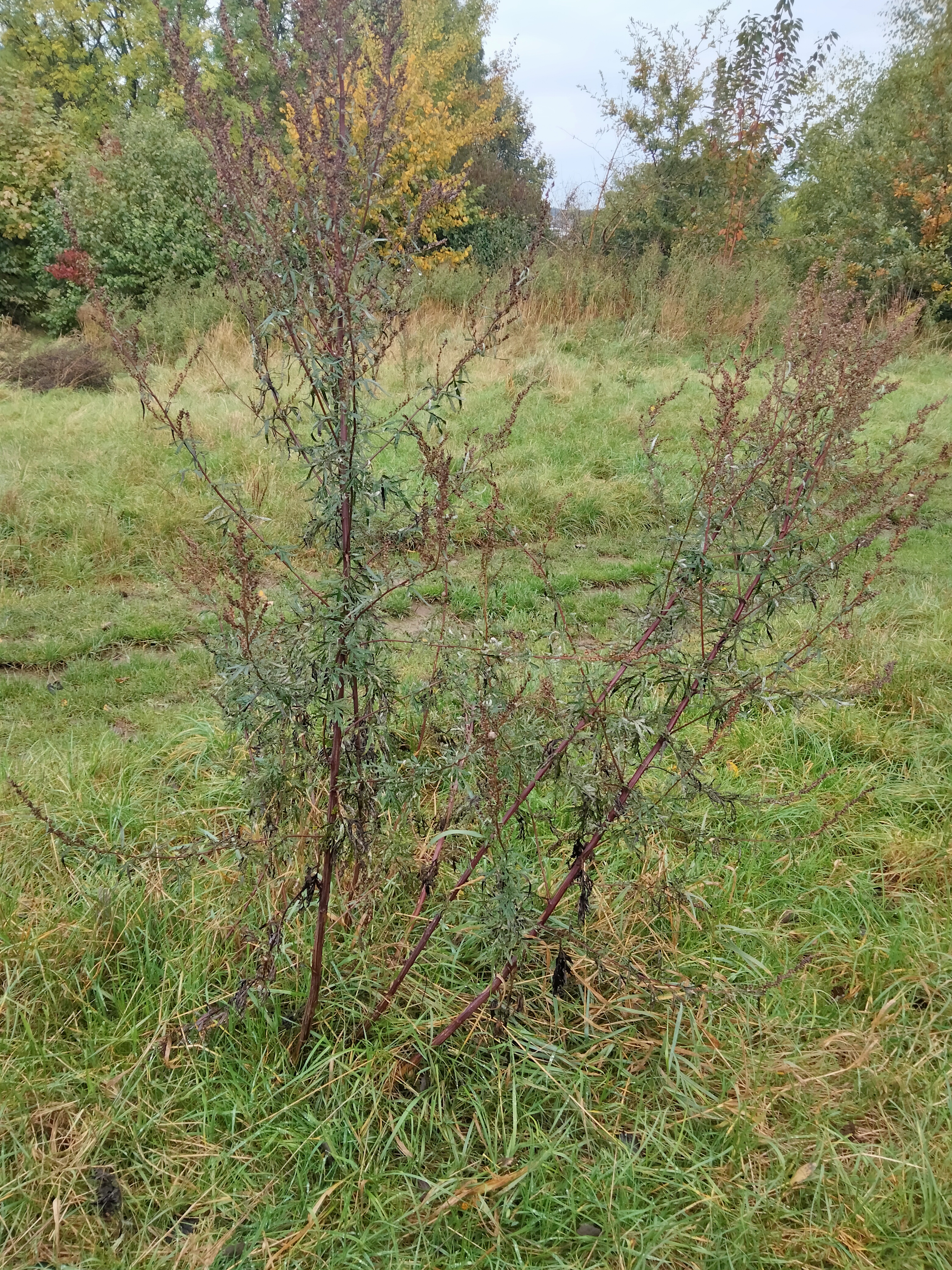
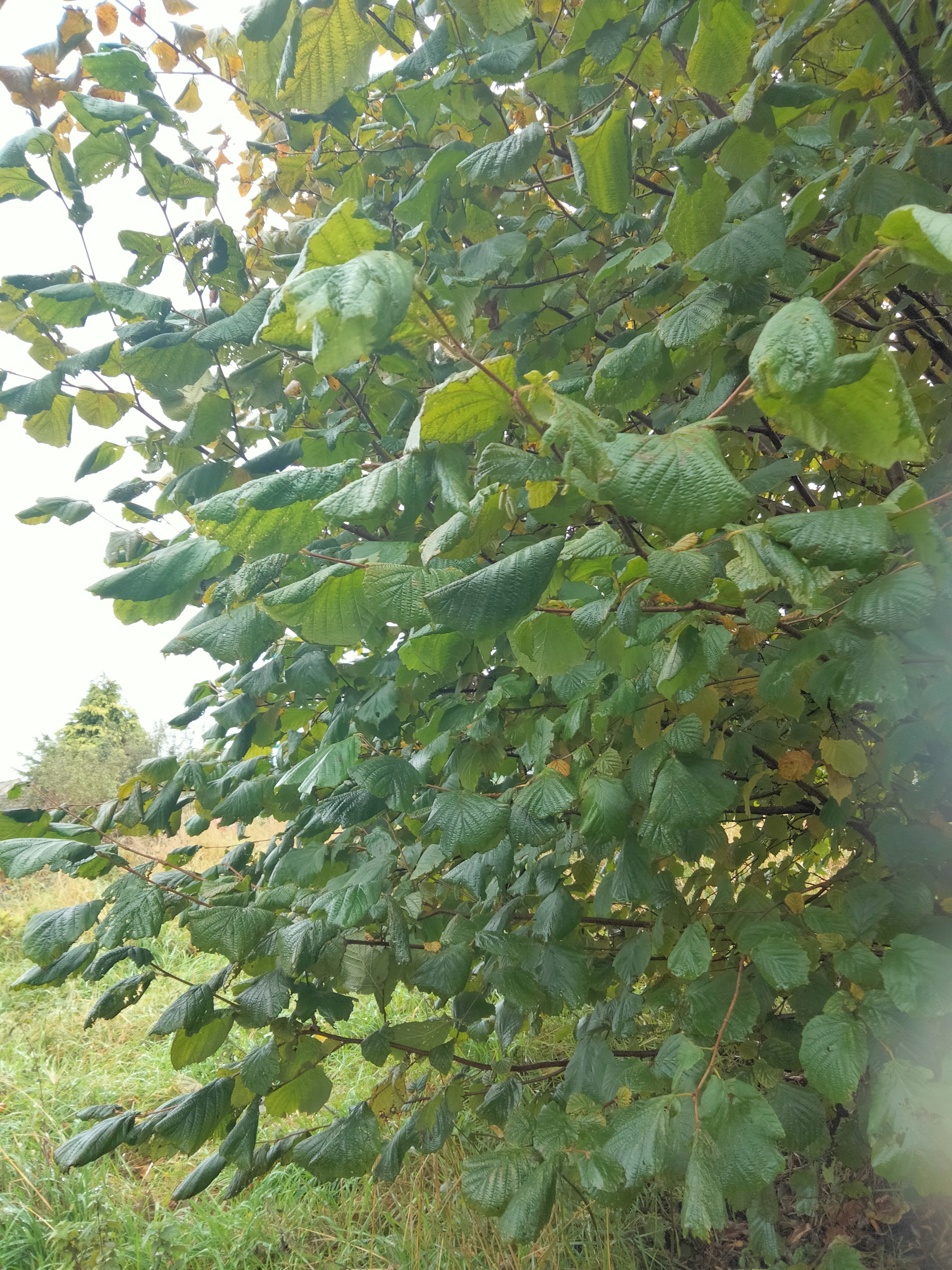
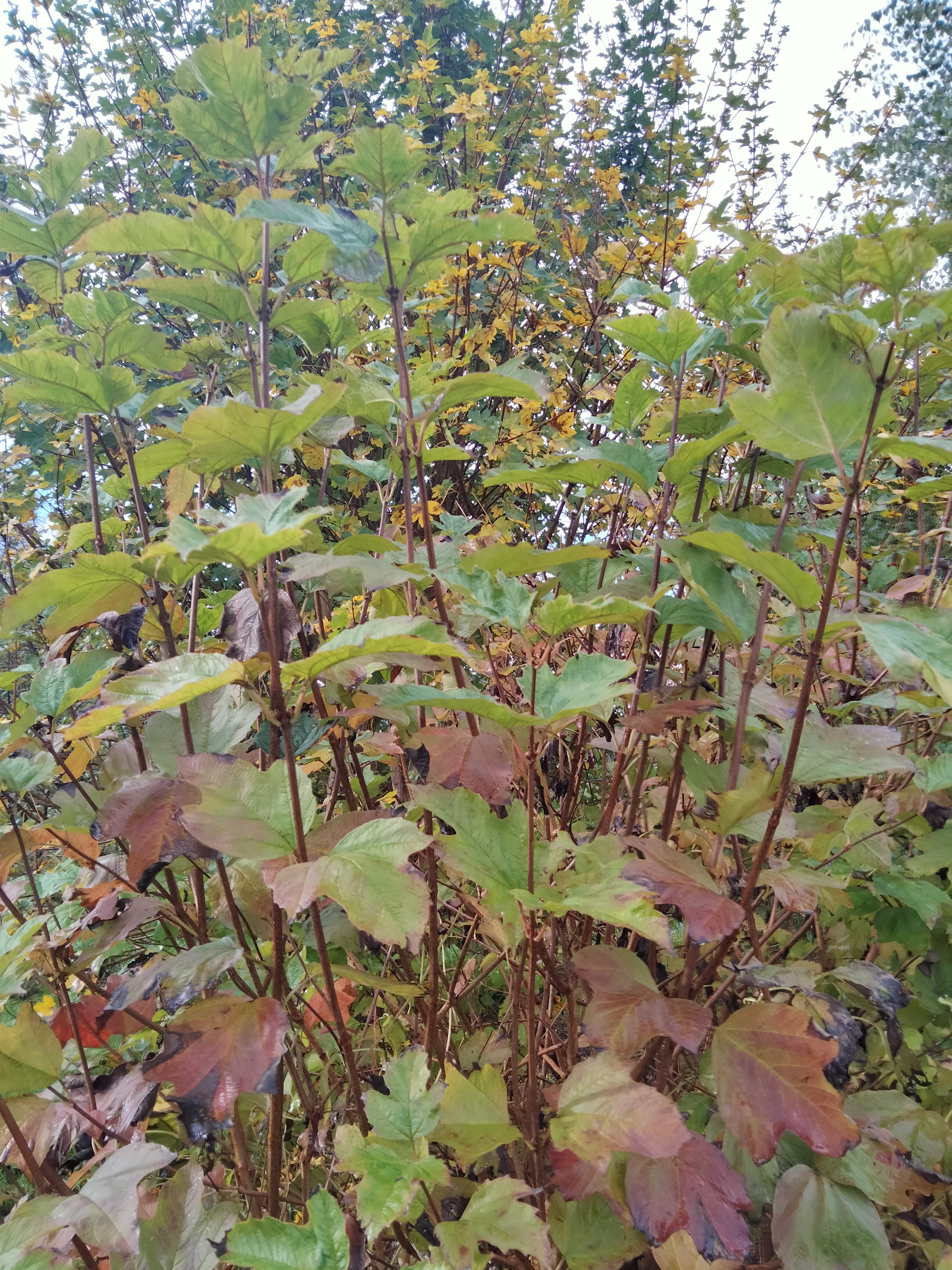
But you’d never guess that now – there are so many trees, shrubs and plants of all kinds here. We spotted a jay, busy collecting acorns for the winter and the air was full of birdsong. Many of the native plants here have magical or medicinal uses, or are poisonous, such as an edible fruit with a deadly stone. Even the humble nettle has health-boosting properties. There are plenty of fascinating facts and legends to please fans of witches and wisdom, as well as spooky facts to impress your friends.
This Saturday, Kath will be bringing along samples of plants she’s harvested, and you’ll be in safe hands as you try out some of the edible things in nature.
We will take some time to write and reflect, and we’ll take turns to read out what we’ve written, but only if you want to. You can do any kind of writing you want – one idea might be to write down everything you can see, hear, feel, smell, and taste, or you might have been captivated by a story about a plant.
At the end of our walk, we’ll call into a nearby pub for a final writing session and we’ll talk about the things that we’ve experienced on our journey! Hopefully you’ll have achieved the aims of the workshop and walk – to have fun, connect with other people, learn about nature on your doorstep and do some nature-inspired writing. Just bring along your phone or a notebook and pen.







 Anne Grange Writing